Optimal Soil for Growing Common periwinkle: What You Need to Know
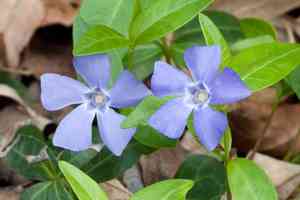
1
Common periwinkle flourishes optimally in soil that is mildly acidic to neutral, with a pH between 6.5 and 7.5.
2
Proper drainage is crucial to avoid root decay in Common periwinkle.
3
Incorporating compost into the soil can greatly enhance its nutrient richness and organic matter, creating an optimal environment for Common periwinkle.
What Soil Type Does Common periwinkle Prefer?
Light Soil
Initially, Common periwinkle needs airy soil that is well-aerated, allowing roots to spread easily and absorb nutrients and water efficiently. Light soils, such as sandy loam, create an environment where the roots of Common periwinkle can breathe and grow without hindrance. This soil type helps prevent waterlogging, a common issue that can harm plant health.
Rich Organic Matter
Another vital aspect is that the soil should contain ample organic matter. Incorporating compost or aged manure boosts soil fertility, ensuring the plant has access to crucial nutrients. Organic matter not only supplies nutrients but also enhances soil structure, leading to better water retention and root development.
Optimal pH Level
Regarding pH, Common periwinkle thrives in slightly acidic to neutral soils, with a pH range of 6.5 to 7.5. Maintaining the soil within this pH range enables the plant to efficiently absorb essential nutrients. Soil that is too acidic or too alkaline can impede nutrient uptake, impacting plant health and growth.
How to Prepare Soil for Common periwinkle Planting?
Soil Testing
The initial step in preparing soil for planting Common periwinkle involves conducting a soil test. This test will help you understand your soil's current pH, nutrient levels, and texture. You can use a home soil test kit or send a sample to a local extension service for analysis. This information is crucial for determining the necessary amendments to create an ideal growing environment.
Amending Soil
Once you have your soil test results, the next step is to amend the soil. If the pH falls outside the 6.5 to 7.5 range, you can add lime to increase the pH or sulfur to decrease it. Incorporating compost or well-rotted manure will enrich the soil, providing essential organic matter and nutrients. Furthermore, mixing in sand or perlite can improve drainage if your soil is heavy clay or prone to waterlogging.
Importance of Drainage for Common periwinkle
Preventing Root Rot
A primary concern when cultivating Common periwinkle is avoiding root rot, which results from waterlogged soil. Ensuring proper drainage is crucial to prevent this problem, as Common periwinkle prefers consistently moist but not overly saturated soil. Adding coarse sand or gravel at the planting site can help improve drainage.
Ensuring Proper Watering
Beyond soil structure, appropriate watering practices significantly influence drainage. Water Common periwinkle deeply but infrequently, allowing the soil to dry slightly between waterings. This approach ensures the plant receives adequate moisture without the risk of waterlogged roots.
Do Soil Conditions Impact the Growth of Common periwinkle?
Influence on Foliage
The soil's quality and composition directly affect the foliage of Common periwinkle. Rich, well-aerated soil promotes lush, green leaves, enhancing the plant's overall appearance and vitality. Conversely, poor soil conditions can lead to yellowing leaves and stunted growth.
Effect on Flowering
Soil conditions also play a significant role in Common periwinkle's flowering potential. Fertile soil, rich in organic matter and essential nutrients, supports abundant blooms. Ensuring the soil has sufficient phosphorus is particularly important for encouraging flowers.
Impact on Spread
Finally, the spread of Common periwinkle is considerably influenced by the soil it's planted in. In optimal soil conditions, this ground cover can rapidly form a dense, expansive mat. However, poor soil can slow its spread and reduce its ability to cover ground effectively.
Can Common periwinkle Grow in Poor Soils?
Tolerating Poor Conditions
While Common periwinkle thrives in rich, well-draining soil, it is remarkably resilient and can endure poor soil conditions. This robust plant can adapt to less-than-ideal soil and still manage to grow, though its appearance and growth rate might be compromised.
Amending Poor Soils
To enhance the growth of Common periwinkle in poor soil, consider amending the soil as much as possible. Adding organic matter, such as compost, not only provides essential nutrients but also improves soil structure and water-holding capacity. Even in challenging soils, these amendments can create a more favorable environment for your Common periwinkle.



