How Much Sunlight Do Copperleaf Need?
1
Copperleaf performs optimally with at least 6 hours of direct sunlight each day.
2
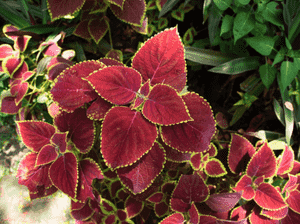
Sufficient light exposure intensifies the brilliant hues present in Copperleaf foliage.
3
Regularly monitoring your Copperleaf can assist in early detection of light-related issues.
What Are the Sunlight Requirements for Copperleaf?
Ideal Sunlight Conditions
The Copperleaf plant, valued for its striking leaves and vibrant coloration, thrives in full sunlight. To maintain its colorful foliage and robust development, it needs direct solar exposure for at least six hours daily. While it can endure partial sun, meaning some daytime shade, full sun is optimal for enhancing its appearance.
Duration of Sunlight Exposure
For optimal results, guarantee your Copperleaf receives over six hours of daily sunlight. It's vital to position the plant where it can enjoy the morning sun, as this period offers necessary intensity without the scorching afternoon heat. However, balanced exposure is key – excessive direct sunlight in extremely hot climates might require some afternoon shading to prevent overheating.
Effects of Overexposure
Too much direct sun can cause sunburn in Copperleaf. Symptoms include brown or bleached spots on the leaves and overall leaf scorching. Some foliage may become brittle and detach if the plant is overexposed for extended periods. Providing the plant with some protection during peak afternoon hours can prevent sunburn.
Effects of Underexposure
Insufficient sunlight leads to reduced vibrancy and hindered growth in Copperleaf plants. The leaves may become dull, and the plant might appear stretched, attempting to reach more light. To prevent these problems, always place your Copperleaf in an area where it receives ample sunlight throughout the day.
What Are the Best Locations for Copperleaf Planting?
Choosing Outdoor Places
For outdoor cultivation, select a garden spot that benefits from full morning sun and partial afternoon shade, which aids in moderating extreme midday temperatures. A bright yet protected area is ideal, such as near a taller plant or structure that can offer some afternoon shade. This setting will promote healthy growth and vivid leaf colors.
Indoor Placement Options
When cultivating Copperleaf indoors, position it where it receives abundant indirect bright light. A sunlit window facing east or west typically works well. If natural light is inadequate, consider using grow lights to supplement the plant's requirements. Rotating the plant periodically ensures all sides get sufficient light exposure.
How to Adjust Sunlight for Optimal Growth?
Using Shade Cloths
In extremely sunny or hot climates, shade cloths can be highly beneficial for your Copperleaf. These cloths offer the plant essential sun protection without blocking all light. Opt for a shade cloth that provides 30-50% shade to reduce the intensity of midday sun while still allowing sufficient light for development.
Seasonal Adjustments
As seasons change, so does the sun's position. During summer, more intense light might necessitate relocating your Copperleaf to a slightly shadier spot to prevent sunburn. In winter, ensure it receives maximum exposure to any available sunlight to compensate for shorter days and weaker light.
Relocating the Plant
Flexibility in placement is crucial for the Copperleaf. Adjusting its position based on seasonal light variations or sudden weather changes can foster optimal health. For instance, moving the plant indoors during summer's peak heat or into more open sun during winter months can help balance its light needs.
Common Sunlight Issues for Copperleaf and How to Fix Them
Signs of Sunburn
Sunburn in Copperleaf appears as brown, scorched patches on its leaves. If you observe this, consider moving the plant to a location with filtered light during peak midday hours or utilizing shade cloths to lessen exposure intensity.
Symptoms of Insufficient Light
When Copperleaf lacks adequate sunlight, it develops a leggy appearance, and its leaves lose their vibrant hues, becoming a dull green. Placing the plant in a brighter spot or supplementing with artificial grow lights can help resolve these issues.
Solutions to Sunlight Problems
Addressing sunlight problems involves both preventive and corrective measures. For sunburn, provide temporary shade and ensure consistent watering to manage stress. For light deficiency, reposition the plant to a sunnier location and consider pruning leggy growth to encourage healthier development.



