How Much Sunlight Do Bear's breech Need?
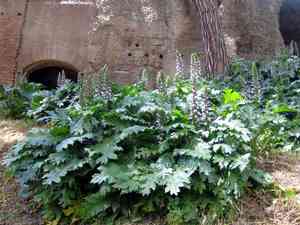
1
Acanthus mollis flourishes optimally in areas receiving filtered sunlight, making it an ideal choice for spots with intermittent light.
2
Exposure to morning sunlight is advantageous for Acanthus mollis, aiding in development without scorching its foliage.
3
Employ shade coverings during the most intense summer afternoons to shield Acanthus mollis from strong solar radiation.
Optimal Light Conditions for Bear's Breech
Partial Shade Requirements
Understanding the best light conditions for Bear's breech is vital for its healthy development. This plant thrives in partial shade, meaning it should receive diffused sunlight for most of the day. Ideally, Bear's breech should be situated where it gets some direct sun but is shielded from the full intensity of the sun for a significant portion of the day. This mimics its natural habitat and promotes vigorous growth.
Morning Sun Benefits
Morning sun is especially beneficial for Bear's breech. This is because morning light is typically less intense than later in the day, reducing the chance of leaf scorch. Providing Bear's breech with a few hours of morning sunlight can enhance its growth and overall vitality. You can achieve this by planting it on the eastern side of your property, where it can absorb the gentle morning rays.
Avoiding Intense Afternoon Sun
It is crucial to shield Bear's breech from the harsh afternoon sun. The intense heat can cause wilting, scorched leaf edges, and general stress for the plant. If planted in a spot that receives afternoon sun, consider using shade cloths or creating artificial shade to minimize sun damage. Placing the plant beneath a canopy of taller trees or near structures that cast afternoon shadows can be very effective.
Impact of Improper Light Exposure on Bear's Breech
Excessive Sunlight
Exposing Bear's breech to too much sunlight can have several negative effects. The leaves may begin to show signs of burning, such as brown, crispy edges or a generally wilted appearance. Over time, this can diminish the plant's vigor and hinder its flowering. Therefore, it's important to monitor the amount of direct sunlight Bear's breech receives to prevent sunburn.
Insufficient Sunlight
Conversely, if Bear's breech gets too little sunlight, it can also suffer. Inadequate light can lead to slow development, elongated stems, and a lack of blooms. The plant may appear pale and weak because it isn't photosynthesizing enough to support strong growth. Ensuring Bear's breech receives the right balance of filtered sunlight is key to preventing these issues.
Indicators of Light Stress
Light stress in Bear's breech can manifest in various ways. Signs to look for include yellowing foliage, drooping, and burned leaf margins. If you observe these symptoms, it might indicate that the plant is receiving either too much or too little sunlight. Regularly observing your plant's condition and making necessary adjustments to its light exposure can help maintain its health.
Advice for Ensuring Optimal Light for Bear's Breech
Utilizing Shade Cloths
An effective method to manage light exposure for Bear's breech is by using shade cloths. Especially useful during peak summer months, these cloths can lessen the intensity of sunlight, protecting the plant from burning. Select a cloth with appropriate density to ensure it provides sufficient shade without completely blocking the light. This technique can be particularly beneficial for plants in areas exposed to strong afternoon sun.
Strategic Planting Locations
Another important recommendation is to carefully choose the planting site for Bear's breech. Positioning the plant on the eastern side of your garden can ensure it receives beneficial morning sunlight while avoiding the damaging afternoon heat. Alternatively, planting Bear's breech under the partial shade of larger trees or alongside taller plants can offer natural protection, maintaining the correct balance of sunlight.
Monitoring Seasonal Changes
Finally, it is crucial to observe and adapt to seasonal variations in sunlight. As the sun's angle changes throughout the year, the exposure your Bear's breech receives may vary. In summer, you might need to provide more shade, while in winter, ensuring it gets enough light becomes important. Regularly reassessing and altering its environment based on seasonal changes can help keep your plant healthy year-round.



