How Much Sunlight Do Rocky mountain maple Need?
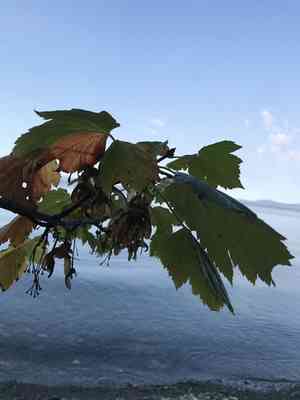
1
Rocky Mountain Maple flourishes in locations receiving more than six hours of direct sun exposure.
2
This adaptable tree can endure some shade, making it suitable for diverse planting sites.
3
Observe for indications of sun damage, such as scorched leaves, to maintain peak plant vitality.
Grasping Rocky mountain maple Light Needs
Native Environment and Illumination
The Rocky mountain maple is a resilient tree indigenous to mountainous areas, frequently growing beneath the partial canopy of larger trees. In its natural setting, it receives filtered sunlight throughout the day, with light passing through the leaves of other trees. This adaptation enables it to flourish in partly shaded spots while still benefiting from periods of direct sun.
Optimal Light Conditions
For peak development, a Rocky mountain maple thrives in locations where it can get at least 6 hours of direct sunlight. While it can endure partial sun and still grow well, excessive shade can significantly hinder its growth and vitality. Placing this tree in areas with full sun exposure will help ensure strong development and vivid foliage.
Ideal Sunlight for Rocky mountain maple Development
Full Sun vs. Partial Shade
Although the Rocky mountain maple can manage partial shade, full sun is perfect for encouraging vigorous growth and brilliant leaf color. In full sun, the tree develops stronger limbs and richer green leaves, contributing to its aesthetic appeal and overall health. If full sun isn't possible, ensuring it gets at least morning light can still help balance its illumination requirements.
Seasonal Light Fluctuations
It's crucial to consider seasonal variations in sunlight. During spring and summer, the tree benefits from extended daylight hours, boosting its growth. In autumn and winter, when sunlight is limited, the Rocky mountain maple enters a dormant phase, reducing its light demands. Ensuring it has adequate light during its active growing seasons is vital for maintaining its health year-round.
Indicators of Sunlight Stress in Rocky mountain maple
How to Spot Sunburn or Scorch
Sunlight stress in Rocky mountain maple often appears as leaf scorch, where the edges of the leaves turn brown and brittle. This can be a clear sign that the tree is getting too much direct sunlight. Another symptom is sunburn, characterized by bleached or discolored leaves. Regular monitoring for these signs can help in timely adjustments to its light exposure.
Modifying Light Exposure
If you observe signs of sunlight stress, consider relocating the tree or providing shade during the hottest parts of the day. Using shade cloths or positioning the tree near larger plants can help reduce excessive sunlight. Additionally, always ensure the Rocky mountain maple is well-hydrated, especially during heatwaves, to prevent further stress.
Advice for Managing Sunlight in Various Environments
Urban vs. Rural Settings
In urban environments, tall structures can cast long shadows, decreasing available sunlight. Choosing a spot with maximum sun exposure, such as rooftops or open areas, can enhance the tree's growth. In rural settings, where open land is more plentiful, the Rocky mountain maple can bask in full sun, leading to healthier and more robust growth.
Planting in Gardens or Containers
When planting in gardens, select a location that receives morning sunlight and offers partial shade in the hot afternoon. If planting in containers, it's easier to move the tree to spots with optimal sunlight throughout the day. Ensure the container has proper drainage and nutrient-rich soil to support the tree's light and overall growth needs.
Common Questions About Rocky mountain maple Sunlight
Can Rocky mountain maple Thrive in Full Shade?
While the Rocky mountain maple can endure partial shade, growing it in full shade is not recommended. Insufficient sunlight can result in poor growth, weak branches, and less vibrant foliage. To achieve the best outcomes, ensure the tree receives at least some direct sunlight daily.
What is the Best Soil Type for Optimal Sunlight Absorption?
The best soil for Rocky mountain maple is well-drained, loamy soil rich in organic matter. Good soil structure allows for better root development and water retention, helping the tree efficiently utilize the sunlight it receives. Ensuring the soil is slightly acidic to neutral (pH 6.0-7.0) will further enhance its growth and health.



