How Much Sunlight Do Fullmoon maple Need?
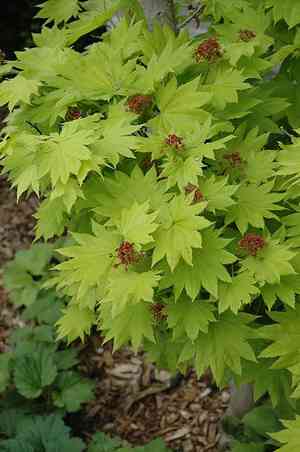
1
Fullmoon maples flourish with more than six hours of direct sun exposure daily.
2
For warmer regions, a spot with some shade can protect leaves from burning.
3
Observe the color and overall health of its foliage to assess if your plant is getting enough light.
What Are the Sunlight Requirements for Fullmoon maple?
Ideal Sunlight Exposure
The Fullmoon maple, known for its rich, vivid foliage, flourishes best in areas receiving ample direct sunlight. "Full sun" indicates your Fullmoon maple should experience over six hours of direct solar exposure daily. This level of light fosters robust development and helps leaves achieve their characteristic deep, intense hues. Nonetheless, while these trees favor the sun, they can endure partial shade, particularly in warmer regions where excessive strong sunlight might harm the leaves.
Seasonal Sunlight Variations
The Fullmoon maple's light needs can shift with the changing seasons. During spring and autumn, mild temperatures coupled with direct sun create ideal growth conditions. In summer, the intense midday sun can be harsh, especially in hotter climates. To counter this, offering some afternoon shade can help shield leaves from scorching. In winter, Fullmoon maples enter dormancy, making sunlight requirements less critical during this period.
Sunlight and Leaf Color
The amount of solar exposure your Fullmoon maple receives directly impacts its leaf coloration. With sufficient sunlight, the foliage will display brilliant shades, ranging from vivid reds to deep purples. Conversely, inadequate sunlight can lead to paler, less striking leaf colors. If you observe the leaves lacking their usual vibrant tones, it might signal that your tree requires more light.
How to Identify Sunlight Needs for Your Fullmoon maple
Observing Leaf Health
One of the simplest methods to determine if your Fullmoon maple is getting appropriate sunlight is by assessing its leaf condition. Healthy leaves should appear vibrant and full. If you notice yellowing leaves, browned edges, or leaf drop, it could indicate that your tree is not receiving the correct amount of sun. Conversely, scorched leaves or a dried appearance may signal excessive direct sunlight.
Plant Location Considerations
Selecting the proper planting site for your Fullmoon maple is essential. Consider garden spots that receive generous morning sun followed by afternoon shade. This balance will help the tree get necessary light without overexposure to the day's harshest rays. If you are adjusting an already planted tree, monitor changes in sun patterns as seasons progress, ensuring your tree continues to receive optimal light.
Adjusting Sunlight Exposure
If you suspect your Fullmoon maple isn't receiving the right amount of sunlight, modifications can be made. For trees suffering from too much direct sun, installing shade cloths or strategically planting near taller trees can offer some relief. If underexposed, consider trimming nearby plants that might be blocking sunlight or, if feasible, relocating the tree to a sunnier position.
Effects of Inadequate Sunlight on Fullmoon maple
Signs of Too Little Sunlight
When a Fullmoon maple does not receive sufficient sunlight, the initial indicators often appear in leaf color and growth habits. Leaves may become dull and less vibrant, displaying more green than the expected autumn hues. The growth rate might decrease, and the tree's overall vitality could decline, increasing its susceptibility to illnesses and pests.
Signs of Too Much Sunlight
Excessive sunlight, particularly during hot summer days, can cause leaf scorch. This condition manifests as brown or burnt edges on the leaves, dryness, and in severe instances, complete leaf drop. If you observe these symptoms, consider providing your tree with some afternoon shade to prevent further harm.
Optimizing Sunlight for Fullmoon maple in Different Climates
Sunlight Tips for Temperate Climates
In temperate climates, where seasons offer a balanced mix of mild sun and moderate temperatures, Fullmoon maples can flourish in full sun. Ensure they receive at least six hours of sunlight and watch for seasonal shifts that might alter their exposure.
Considerations for Hotter Regions
In warmer regions, the intense midday sun can be overly harsh for Fullmoon maples. Choose planting locations that get morning sunlight and provide shade in the afternoons. This can be achieved naturally by situating them near larger trees or by using shade cloths during peak summer months.
Sunlight Management in Cooler Zones
In cooler zones, maximizing sun exposure is key. Plant your Fullmoon maple in the brightest available spot, ensuring it captures as much daylight as possible. This will encourage robust growth and vibrant leaf colors even in colder temperatures.



