How Much Sunlight Do Japanese maple Need?
1
Japanese maples flourish with moderate sun exposure, preferably receiving 3 to 6 hours daily.
2
While adaptable to both intense sun and deep shade, extreme lighting conditions may impact their vitality.
3
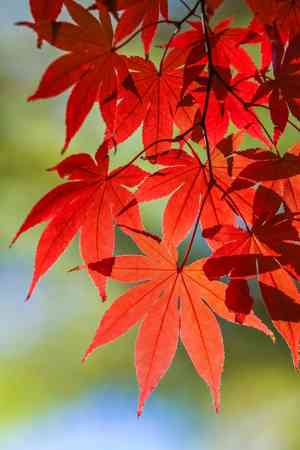
The hue of the leaves serves as a great gauge for light requirements; vivid coloration frequently indicates ideal illumination.
Optimal Light Conditions for Acer palmatum
Preferred Sun Exposure
The Japanese maple thrives best in dappled sunlight, meaning it should ideally receive approximately 3 to 6 hours of solar exposure daily. A mix of morning sun and afternoon shade typically offers the ideal environment, allowing the tree to absorb gentle light without the risk of scorching from intense midday rays.
Seasonal Light Adaptations
Understanding the yearly changes in light intensity is vital for your Japanese maple's health. During spring and fall, when solar radiation is less intense, your tree can handle more direct sunlight. However, in mid-summer, especially in warmer regions, increased shading becomes essential to prevent harm. In winter, when the tree is dormant, light levels are less critical, but some exposure aids in its overall vitality.
How to Assess Proper Light for Your Japanese maple
Foliage Color and Vigor
One straightforward method to gauge your Japanese maple's light requirements is by observing its leaves. Rich, vibrant leaf coloration generally signifies the tree is receiving adequate illumination. Conversely, if leaves appear faded or exhibit signs of excessive light, such as browned edges, adjusting its sun exposure is necessary.
Growth Characteristics
Observe your Japanese maple's growth patterns closely. If it's flourishing, displaying a dense, healthy canopy of leaves, you are likely providing the correct amount of sunlight. Stunted growth or elongated, sparse branches might indicate the tree requires more light. Experimentation and adjustment over a growth cycle can help pinpoint the ideal light exposure.
Common Light Problems and Fixes for Acer palmatum
Sunburn Damage
Sunburn on Japanese maples typically occurs from excessive direct sunlight, particularly during warmer months. Symptoms include brown or brittle leaves. To alleviate this, consider erecting a shade cloth or relocating containerized trees to a less exposed location.
Leaf Scorch
Leaf scorching presents as dry, brown areas on the foliage and is a frequent issue under strong, direct sun. The best remedies involve providing partial shade, using mulch to maintain consistent soil moisture, and ensuring appropriate watering practices.
Pale or Yellowed Foliage
If your Japanese maple displays pale or yellowed leaves, it often indicates insufficient sunlight. Gradually relocate the tree to a brighter area, ensuring a slow transition to avoid stressing the plant.
Optimal Plant Siting for Japanese maple
Garden and Landscape Placement
When planting a Japanese maple in your garden, position it where it will receive morning sun and afternoon shade. This often means placing it on the eastern or northern side of your dwelling, avoiding the intense afternoon sun from the south or west.
Container Cultivation
For those growing Japanese maples in pots, the ability to reposition them is a significant benefit. During warm seasons, you can move the tree to a cooler, shadier spot. In colder months, adjust its location to provide more light as needed. This adaptability helps meet the tree's changing illumination demands.
Adjustment Based on Local Climate
Climate plays a crucial role in determining the specific light needs for your Japanese maple. In cooler zones, full sun might be more tolerable, while in hotter climates, increased shade is essential. Understand your local weather patterns and modify the tree’s exposure accordingly.
Factors Influencing Sunlight Requirements for Japanese maple
Cultivar Differences
There are numerous Japanese maple cultivars, each with slightly varied sunlight preferences. Some types with delicate leaves may need more shade, while others with robust leaves can withstand more sun. Researching your specific cultivar will help you cater to its unique needs.
Microclimates
Microclimates around your property can significantly influence how your Japanese maple receives sunlight. Elements such as nearby structures, water bodies, and landscape features can create zones that are warmer, cooler, sunnier, or shadier.
Overhead Obstructions
Consider any elements above—like mature trees or buildings—that might block sunlight. Ensure your Japanese maple is positioned to receive the appropriate light exposure relative to other components in your garden.



