How Much Sunlight Do Red maple Need?
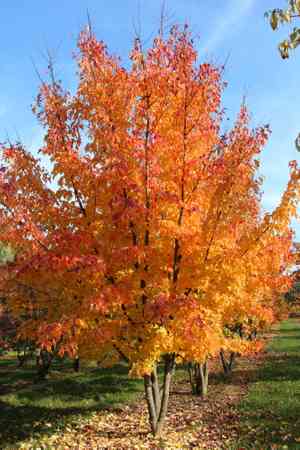
1
Red maples are able to withstand some shade, yet they perform most robustly when exposed to full sun.
2
For peak development, Red maples ideally need more than 6 hours of sunlight each day.
3
Adequate light exposure intensifies the brilliant crimson hue of Red maple foliage.
The Vital Role of Sunlight for Red Maple Development
Photosynthesis and Energy Generation
Red maples heavily depend on solar radiation for photosynthesis, the process where they convert light energy into chemical energy. This energy is critical for their development, maturation, and overall well-being. By absorbing sunbeams, Red maples create glucose, which fuels various biological functions and guarantees robust expansion.
Influence on Leaf Pigmentation and Vitality
Sunlight not only facilitates energy production but also impacts the hue and health of Red maple leaves. Sufficient sun exposure helps generate vivid red tones in the foliage, a defining characteristic of this species. Insufficient light can lead to paler leaves and reduced aesthetic appeal.
Sunlight and Tree Maturation
Red maples as they mature thrive with consistent sun exposure. Trees that receive ample sunlight develop more robust branches and trunks over time. Conversely, those growing in shaded environments may exhibit weaker structures and slower growth rates. Ensuring your Red maple gets enough sunlight from an early stage establishes a strong foundation for a healthy, mature tree.
Optimal Light Conditions for Red Maple
Ideal Daily Sunlight Duration
For prime growth and health, Red maples require full sun, meaning over six hours of direct sunlight daily. This duration allows the tree to perform photosynthesis effectively, fostering vigorous growth, bright leaf colors, and overall vitality.
Prime Planting Locations
When siting a Red maple, select spots with abundant sunlight. The tree's best positions include open fields, parks, or residential landscapes with minimal shading from other structures or large trees. Make sure to place your Red maple where it can enjoy unobstructed solar radiation for most of the day.
Seasonal Light Fluctuations
Seasonal shifts affect the availability of sunlight, which in turn influences Red maples. During summer, the tree experiences more daylight hours, boosting growth and foliage expansion. Conversely, shorter winter days reduce sun exposure, resulting in slower growth and, in some cases, dormancy. Understanding these seasonal changes can aid in managing expectations and care routines for your Red maple.
Indicators of Insufficient Sunlight in Red Maple
Diminished Growth and Vigor
One of the most evident signs of inadequate sunlight is hindered growth. A Red maple not receiving enough light will show slower development rates and may appear less robust compared to those in ideal sun conditions.
Dull or Faded Leaf Hues
Leaves that seem dull, pale, or less vibrant than their typical red shades might suggest a lack of sunlight. Adequate solar radiation ensures the creation of pigments responsible for the tree's vivid foliage, and its absence can lessen this natural beauty.
Increased Susceptibility to Pests and Diseases
A Red maple lacking sufficient sunlight becomes more prone to pests and illnesses. Sunlight boosts the tree's immune system, helping it fend off various threats. Thus, ensuring your Red maple gets enough sunlight is vital for maintaining its overall health and defense mechanisms.
Strategies to Ensure Ample Sunlight for Your Red Maple
Trimming Nearby Vegetation
Trim any adjacent shrubs or trees that might be obstructing sunlight from reaching your Red maple. This practice ensures that the tree receives uninterrupted solar exposure, promoting healthier growth and foliage.
Strategic Planting Recommendations
When planting a Red maple, consider the tree's future development and surrounding environment. Choose an open area free from potential shade from buildings or other taller plants. Ensure the tree has ample space to grow without competing for sunlight.
Utilizing Reflective Groundcover
Applying reflective mulch around the base of your Red maple can help maximize sunlight absorption. Reflective mulch redirects light back onto the tree, enhancing its exposure, especially in areas with less direct sunlight. This technique can be particularly beneficial in partially shaded locations.



