How Much Sunlight Do Tartarian maple Need?
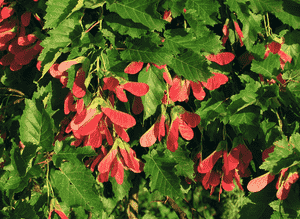
1
Tartarian maples flourish optimally in direct sunlight, though they can endure some shade.
2
For a Tartarian maple, ideal sun exposure is more than six hours per day.
3
Insufficient light may hinder development and diminish the vivid leaf coloration of the Tartarian maple.
Grasping Sunlight Needs for Tartarian maple
Why Light is Vital for Tartarian maple Development
Light is a fundamental component for the Tartarian maple's development. Like all flora, sunlight serves as its primary power source. It fuels photosynthesis, enabling the tree to generate the sustenance required for growth and maturation. Adequate sun exposure helps the Tartarian maple maintain its vivid foliage and overall well-being.
Photosynthesis and Energy Creation
Photosynthesis is the mechanism by which plants transform solar energy into usable power. During this process, the Tartarian maple absorbs sunlight and converts it into chemical energy stored as glucose, powering all cellular functions. Consistent light exposure ensures the tree can produce sufficient energy to sustain itself, expand, and resist disease.
Optimal Light Conditions for Tartarian maple
Ideal Light Duration
The Tartarian maple flourishes in full sun, meaning it benefits from over 6 hours of direct sunlight daily. This amount of light aids the tree in reaching its maximum growth potential, ensuring robust health and vivid leaf coloration.
Best Times of Day for Light Exposure
The most favorable times for the Tartarian maple to receive sunlight are during the morning and early afternoon. Morning sun is gentle yet effective, providing essential light without the intensity that can cause leaf scorch often seen in midday or afternoon sun.
Indicators of Improper Light Exposure for Tartarian maple
Symptoms of Insufficient Light
When the Tartarian maple isn't getting enough sunlight, it might show several signs such as stretched growth, pale or yellowing leaves, and reduced leaf size. These indicators suggest the plant isn't generating enough energy to properly support its development.
Recognizing Sunburn on Leaves
Conversely, excessive sunlight can lead to sunburn on the Tartarian maple's leaves. Signs of sunburn include brown, crispy leaf edges or bleached, white spots. Monitoring light exposure and relocating the plant or providing shade are crucial for preventing sunburn.
Tips to Ensure Proper Light for Tartarian maple
Choosing the Best Planting Spot
Selecting the correct location for planting your Tartarian maple is critical. Ideally, pick a spot where the tree will receive full sun throughout the day. Avoid areas heavily shaded by larger structures or other trees.
Utilizing Shade or Light Filters
In situations where the sun is overly intense, you can employ shade cloths or strategic placement to filter the sunlight, safeguarding your Tartarian maple from the harshest rays while still ensuring it gets the necessary exposure.
Seasonal Light Considerations for Tartarian maple
Spring and Summer
During spring and summer, the Tartarian maple is in its active growth phase and benefits from longer days and more intense sunlight. Ensure it receives optimal sun exposure during this period to support strong growth and vibrant leaves.
Fall and Winter Adjustments
As days shorten, the Tartarian maple will receive less sunlight. It's important to clear any debris or fallen leaves that might block light. Even though the tree will naturally enter dormancy in colder months, maximizing light exposure helps maintain its health.



