How Much Sunlight Do Common corncockle Need?
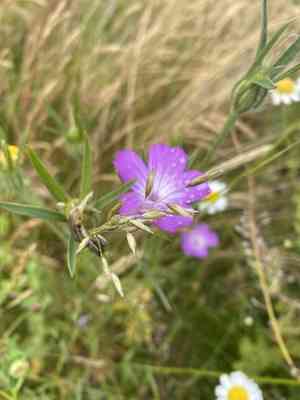
1
For optimal growth, Common corncockle needs at least six hours of direct sunlight each day.
2
While this plant can endure some filtered light, it truly flourishes in full sun.
3
Overexposure to sun can cause leaf scorching and burn, whereas insufficient light leads to stretched growth and sparse blooms.
Optimal Light Conditions for Common corncockle
Abundant Sun Exposure
The Common corncockle is a heliotropic plant that flourishes when given extensive sun exposure. Full sun indicates the plant should get over 6 hours of direct solar radiation daily. This level of exposure guarantees vigorous development, plentiful blossoms, and comprehensive plant vitality. Placing your Common corncockle where it can absorb sunlight throughout the day will yield superior outcomes. This is particularly vital in moderate climates where solar intensity might be lower.
Partial Shading Adaptability
While the Common corncockle prefers ample sunshine, it also tolerates partial shade reasonably well. Partial shade denotes an environment where the plant receives direct sunlight for approximately 3-6 hours daily, typically during morning or late afternoon. Although it can endure these conditions, excessive shade may result in fewer blooms and a taller, stretched growth habit as the plant strives for light.
Daily Solar Illumination Duration
For prime development, aim for your Common corncockle to receive 6-8 hours of direct solar exposure daily. This duration assists the plant in generating energy through photosynthesis, leading to robust foliage and numerous flowers. In regions with especially harsh sunlight, providing some afternoon cover can help avert potential leaf scorching on particularly hot days.
How to Position Common corncockle for Optimal Solar Exposure
Garden Siting Advice
When cultivating Common corncockle in your garden, select a spot that receives ample sunshine throughout the day. An excellent placement is the south-facing section of your garden, as it will capture the highest intensity of solar rays. Avoid situating it in shaded zones beneath large trees or structures that block the sun's light for extended periods.
Indoor Placement
If you are cultivating Common corncockle indoors, position the plant near a south or west-facing window where it can obtain sufficient illumination. These windows typically offer the brightest and longest duration of light during the day. Rotating the plant every few days can also help ensure balanced development by exposing all sides to the light.
Utilizing Reflective Surfaces
To boost solar exposure, especially in less than ideal spots, consider employing reflective materials. Positioning mirrors or reflective panels around the Common corncockle can help redirect additional light onto the plant, enhancing its total sunlight absorption. This method is particularly beneficial for houseplants or garden areas with limited direct solar radiation.
Indicators of Improper Sunlight Levels for Common corncockle
Symptoms of Solar Burn
Excessive direct sunlight can cause sunburn on the Common corncockle. Symptoms include seared, brown spots on the leaves, and in severe instances, defoliation. If you observe these signs, consider providing temporary shade during peak afternoon hours or moving the plant to an area with slightly less intense solar exposure.
Signs of Insufficient Illumination
Inadequate sunlight can lead to various problems for the Common corncockle. These include thin, elongated growth with unusually long stems and fewer blossoms. Additionally, the plant might display pale or yellowing foliage. Relocating the plant to a brighter spot or ensuring it gets at least 6 hours of direct sunlight can help mitigate these issues.
Modifying Solar Exposure
To ensure your Common corncockle receives the correct amount of sunlight, consistently observe its condition. If it's exhibiting symptoms of either too much or too little sun, adjust its placement accordingly. For garden plants, this might involve relocating the plant to an alternative section of the garden. For indoor plants, consider moving them closer to the window or utilizing supplemental grow lights to provide adequate illumination.



