How Much Sunlight Do Giant onion Need?
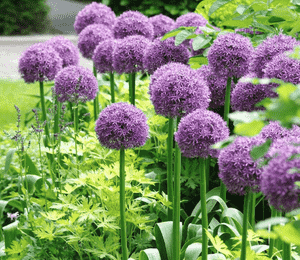
1
For optimal growth, giant onion requires a minimum of six hours of direct sun each day.
2
While some partial shade is acceptable, it could lead to less robust development.
3
Keeping an eye on sun exposure helps avoid insufficient or overexposure, both of which can negatively impact the plant.
Ideal Light Conditions for Giant onion
Requirements for Full Sun
Giant onion, an Allium species, thrives in full sun. For peak development, these plants require at least 6-8 hours of direct daylight daily. This amount of sunlight allows the plants to generate sufficient energy for producing the large, vibrant blossoms characteristic of Giant onion. Such exposure facilitates efficient photosynthesis, resulting in robust plant health and spectacular flowers.
Tolerance for Partial Shade
While Giant onion prefers abundant sunshine, it can endure partial shade, particularly in warmer climates. This means the plants can survive in locations receiving approximately 3-6 hours of sunlight each day. However, it's worth noting that under partial shade conditions, the Giant onion might not achieve its maximum flowering potential. Blossoms could be smaller, and the plant's vigor might decrease overall, making full sun the preferred condition for best outcomes.
How to Optimize Giant onion Placement for Light
Choosing the Optimal Garden Location
Selecting the appropriate site in your garden is vital for your Giant onion's well-being. Seek out areas that receive uninterrupted solar exposure for most of the day. Steer clear of spots overshadowed by large trees, buildings, or other structures that could block light. South-facing positions are typically ideal as they get the most consistent sunlight throughout the day.
Tips for Planting Arrangement
Correct planting orientation can help maximize light exposure for Giant onion. Ensure adequate spacing between plants to prevent crowding, which can create shaded areas among the plants themselves. Be mindful of the sun's path — taller plants or constructions should not cast shadows over your Giant onion. Planting in east-to-west rows can also guarantee each plant receives ample sunlight as the sun traverses the sky.
Assessing Sunlight Exposure for Giant onion
Utilizing Light Meters
To precisely gauge the amount of light your Giant onion plants are receiving, consider employing a light meter. These tools can measure light intensity and duration in a specific area. By using a light meter, you can ascertain if your plants are getting the optimal amount of sun, and you can make necessary adjustments to ensure they are adequately exposed to light.
Indications of Insufficient or Excessive Light
It's crucial to observe your Giant onion for signs suggesting too little or too much sunlight. Poor flowering, weak or stretched stems, or yellowing leaves are indicators of insufficient light. Conversely, if leaves appear scorched or the plant wilts despite proper watering, it might be receiving too much sun. Relocating the plant can help address these issues.
Adjusting Light Exposure Seasonally
Seasonal Light Fluctuations
Throughout the year, the available amount of sunlight varies. Days are longer and sunnier in spring and summer, while autumn and winter bring shorter, less intense days. Recognizing these seasonal changes is important for Giant onion care. During the active growth period, longer daylight hours will benefit the plant, but monitoring light reduction in the dormant season can help you make necessary adjustments.
Protecting Giant onion During Peak Summer
In the height of summer, intense sunlight and heat can occasionally be excessive for Giant onion. To safeguard them, you may need to provide some shade during the hottest part of the day. Using garden shade cloths or placing plants where they receive morning sun and afternoon shade can be effective strategies. This ensures plants get enough light without being scorched by the intense midday sun.



