How Much Sunlight Do Red alder Need?
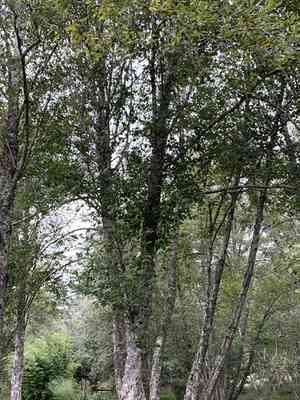
1
Red alder flourishes in environments ranging from full sun to partial shade.
2
Optimally, Red alder requires more than 6 hours of direct sunlight each day.
3
Observing the condition of its leaves can reveal if your Red alder is receiving sufficient light.
What Are the Sunlight Requirements for Red alder?
Optimal Sunlight Conditions
The Red alder is a sturdy and adaptable tree that primarily flourishes in full sun. For best development, ensure your Red alder receives at least 6 to 8 hours of direct sunlight daily. Full sun exposure promotes the healthiest growth, including strong root systems, vibrant foliage, and abundant seed production. However, the Red alder can also adjust to partial shade, making it a versatile option for various planting locations.
Exposure to Full Sun vs. Partial Shade
Red alder trees perform best with full sun but can endure partial shade. If planting in an area with partial shade, ensure they still receive significant sunlight during the day, ideally during the peak sunlight hours of 10 AM to 4 PM. While full sun encourages vigorous growth, partial shade conditions may result in a slightly slower growth rate but should not significantly impede the treeâs development.
How to Assess If Your Red alder Is Getting Enough Sunlight
Signs of Adequate Sunlight
A Red alder receiving sufficient sunlight will display several key indicators. Look for healthy, vibrant green leaves and sturdy branches. Growth should appear consistent and robust, with new shoots and leaves emerging regularly. Youâll also observe a strong root system anchoring the tree firmly into the ground.
Signs of Insufficient Sunlight
If your Red alder isnât getting enough sunlight, the leaves may appear pale or yellow, and growth may be stunted. The tree might also produce fewer seeds, and the branches could become weak and spindly. Watch for these signs, especially if the Red alder is planted in a partially shaded area.
Remedies for Sunlight Deficiency
To correct sunlight deficiency, consider trimming overhanging branches from nearby trees that may be casting too much shade. Alternatively, you can move potted young Red alders to sunnier spots or, if planted, ensure pruning and thinning to maximize light exposure. Regularly monitor the treeâs health and adjust its growing conditions as needed.
How Seasonal Changes Affect Red alder Sunlight Needs
Adapting to Different Seasons
Seasonal changes can influence the amount of sunlight your Red alder receives. During spring and summer, the longer days provide more sunlight for robust growth. In autumn and winter, when daylight hours are shorter, the tree naturally enters a dormant phase, reducing its sunlight needs. However, still ensure it gets as much light as possible to maintain health.
Winter Care Tips
In winter, while the Red alder is less active, itâs vital to protect it from harsh conditions. Make sure itâs still receiving adequate light by clearing away any snow or debris that may block sunlight. Additionally, consider mulching around the base to retain moisture and provide insulation against the cold.
Can Red alder Grow in Shaded Areas?
Minimum Sunlight Requirements
While Red alder trees prefer full sun, they can survive in areas with partial sunlight. The minimum requirement for satisfactory growth is around 4 to 6 hours of sunlight per day. Ensure the tree is positioned where it can capture as much light as possible, especially during the critical sunlight hours.
Potential Risks of Excessive Shade
Growing a Red alder in excessively shaded areas may lead to several issues, such as weakened structural integrity, fewer leaves and seeds, and increased susceptibility to pests and diseases. Therefore, itâs crucial to monitor and manage the sunlight levels to mitigate these risks and ensure a healthy, thriving tree.



