How Much Sunlight Do Love-lies-bleeding Need?
1
For optimal growth, Love-lies-bleeding requires over six hours of unfiltered sun exposure each day.
2
Achieving adequate sunlight can be more challenging in moderate climates, yet it remains attainable.
3
Employing light-reflecting materials can assist in optimizing the amount of light your Love-lies-bleeding receives.
Optimal Sunlight Requirements
Full Sunlight for Vigorous Growth
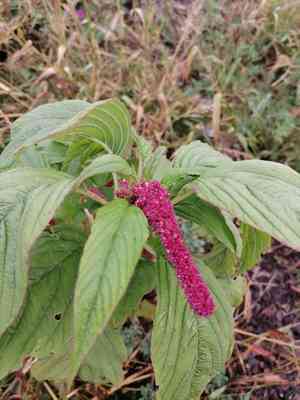
Love-lies-bleeding thrives as a heliophilic plant, performing best with unfiltered solar exposure. This signifies its preference for receiving over 6 hours of direct sunlight daily. Light is crucial for its development, fostering the production of its characteristic long, pendulous red blooms. For robust growth and abundant flowering, positioning your Love-lies-bleeding in a location that receives uninterrupted sunshine is ideal.
Minimum Sun Exposure
While full sun is preferred, Love-lies-bleeding can endure partial sun, which translates to roughly 3-6 hours of daily sunlight. However, it's worth noting that reduced light may lead to less vigorous development and fewer blossoms. If you reside in an area with insufficient direct sunlight, consider relocating the plant to various positions throughout the day to optimize its exposure.
Adjusting Sunlight for Different Climates
Tropical and Subtropical Regions
In tropical and subtropical zones, Love-lies-bleeding typically acquires ample sunlight effortlessly. The plentiful natural illumination in these areas supports the plant's energetic growth. Just ensure it isn't overshadowed by taller flora or structures, allowing it to soak up the sun throughout the day.
Temperate Climates
For cultivators in temperate regions, ensuring sufficient sunlight for Love-lies-bleeding can pose a challenge, particularly during shorter winter days. Planting in a south-facing spot where maximum sunlight is accessible can be beneficial. Furthermore, contemplate employing grow lights during winter months to supplement natural light and maintain healthy development.
Handling Excessive Heat
In areas experiencing intense, prolonged heat, some afternoon shade may be advantageous to prevent scorching. Extreme heat can sometimes be harmful, causing leaf burn or wilting. To mitigate this, select a planting site that offers some relief from the afternoon sun, using shade cloth if necessary.
Signs of Improper Sunlight Exposure
Indicators of Too Much Sunlight
If Love-lies-bleeding gets excessive sunlight, you might observe symptoms such as leaf scorching, color fading, or wilting during the day's hottest periods. To counteract this, consider providing temporary cover during peak sun intensity.
Signs of Too Little Sunlight
Conversely, inadequate sunlight results in elongated growth, fewer blossoms, and muted coloration. The plant may stretch towards the light, becoming slender. Supplemental artificial lighting can assist in ensuring the plant receives proper exposure.
Maximizing Sunlight for Love-lies-bleeding
Choosing the Best Planting Location
To optimize solar exposure, select an unobstructed, south-facing spot in your garden. Avoid areas beneath large trees or near structures that cast extensive shadows. Elevated positions can also provide superior sunlight throughout the day.
Using Reflective Surfaces to Enhance Light
Reflective elements such as white walls or garden mirrors can help direct additional light toward your Love-lies-bleeding. By bouncing sunlight, these surfaces increase the available light, especially in partially shaded garden spaces.
Container Planting Strategies
Cultivating Love-lies-bleeding in containers offers versatility, enabling you to relocate the plant based on sunlight availability. At various times of the year, you can reposition the containers to maximize exposure. Consider utilizing lightweight containers for easier transport.



