How Much Sunlight Do Threadleaf bluestar Need?
1
Threadleaf bluestar needs a minimum of 6 hours of sun each day to flourish.
2
It's versatile and can still develop in partial shade, though flowering might be less abundant.
3
Observe sun exposure across various seasons and throughout the day to guarantee peak development.
Why is Sunlight Important for Threadleaf bluestar?
Photosynthesis and Growth
Sunlight fuels photosynthesis, the process where Threadleaf bluestar converts light into energy. Sufficient sunlight provides the plant with the necessary energy for vigorous development. This results in stronger stems, healthier foliage, and a more vibrant overall plant.
Blooming and Flowering
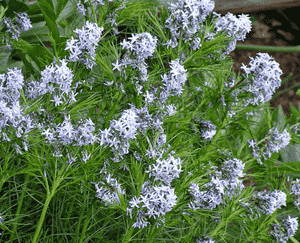
Threadleaf bluestar is prized for its lovely blue star-shaped blossoms. However, without adequate sunlight, the plant may produce fewer flowers, or its blooming period might be shorter. Sunlight initiates the flowering process and helps maintain your garden's beauty.
Plant Health and Vigor
Sunlight directly impacts the health and robustness of Threadleaf bluestar. A plant receiving ample light is more likely to resist diseases and pests. Additionally, sunlight helps the plant maintain its distinctive thread-like leaves, making it an attractive garden feature.
Ideal Sunlight Conditions for Threadleaf bluestar
Full Sun vs. Partial Shade
For Threadleaf bluestar, full sun means exposure to direct sunlight for at least 6 hours daily. While it can endure partial shade, ideally, you should maximize its time in direct sunlight. Partial shade may lead to fewer blooms and could impact the plant's overall well-being.
Daily Sunlight Hours Requirement
Aim for a minimum of 6 hours of sunlight each day for Threadleaf bluestar. Ideally, it should receive between 6 to 8 hours. This exposure supports its growth rate and ensures abundant flowering. Less than this may result in a spindly plant with fewer blossoms.
Seasonal Sunlight Variations
Sunlight availability changes with the seasons. In summer, the sun is higher and days are longer, providing ample light. In winter, the sun is lower, and days are shorter. To compensate, you might need to carefully consider the plant's placement or utilize reflective elements in your garden to maximize light exposure.
How to Ensure Proper Sunlight for Threadleaf bluestar
Site Selection and Planting
Choosing the correct location is vital. Seek a spot that receives sunlight for most of the day. When planting, ensure not to place Threadleaf bluestar too close to taller plants or structures that might cast shadows. Plant it in an open area, where it's more likely to get unobstructed sunlight.
Using Garden Structures to Optimize Light
Garden structures such as trellises, reflective surfaces, and strategically placed mirrors can help direct more sunlight onto your Threadleaf bluestar. These can be especially useful in partially shaded gardens. Furthermore, pruning nearby trees and shrubs can reduce unwanted shading.
Monitoring Light Levels
Observe how much light your Threadleaf bluestar is receiving throughout the day. You can use a light meter to measure the intensity and duration of sunlight. This helps ensure the plant gets the required 6 to 8 hours of sunlight daily and allows you to make adjustments if needed.
Common Sunlight Issues with Threadleaf bluestar
Signs of Too Much Sun
While Threadleaf bluestar thrives in sunlight, excessive exposure can cause problems like leaf scorch or wilting. Look for indications such as burned leaves or drooping stems. If you notice these, consider providing some afternoon shade or using a light shade cloth to protect the plant during the hottest parts of the day.
Symptoms of Insufficient Sun
Inadequate sunlight can lead to various issues, including stunted growth, fewer blooms, and pale, elongated foliage. If your Threadleaf bluestar appears less vibrant and flowers are scarce, it might be suffering from a lack of light. Reassess your planting location to ensure it receives more direct sunlight.
Corrective Actions for Sunlight Problems
For too much sun, create some shade using garden structures or reposition the plant if feasible. For insufficient sunlight, consider moving your Threadleaf bluestar to a sunnier spot or trimming back plants that cast shadows. Regular observation and minor adjustments can significantly improve the plant's health.



