How Much Sunlight Do Pacific madrone Need?
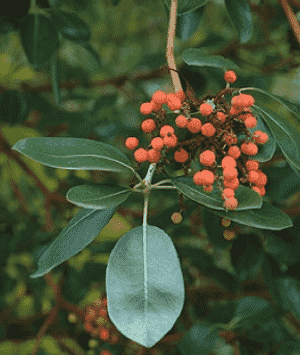
1
Pacific madrone flourishes optimally with more than six hours of direct sun each day.
2
While it can endure some shade, Pacific madrone favors complete sunlight for peak development.
3
Confirm your Pacific madrone receives sufficient solar exposure, especially during its active growth phase.
Ideal Light Conditions for Pacific Madrone
Full Sun Requirements
The Pacific madrone thrives with at least six hours of direct sunlight daily. Ample sun fuels photosynthesis, vital for its development, bloom production, and overall vitality. When selecting a site, choose an open area that receives continuous sunlight for most of the day. This ensures robust growth and the development of its distinctive reddish-brown bark and shiny leaves.
Partial Shade Tolerance
While full sun is optimal, the Pacific madrone can endure some partial shade. However, insufficient light can hinder its growth and impact its appearance. If your garden offers filtered light or morning sun with afternoon shade, the tree might still perform adequately, but observe its growth patterns. Leaf drop and reduced flowering indicate a need for more light.
Seasonal Light Fluctuations
Seasonal variations can alter the amount of sunlight your Pacific madrone receives. In winter, the sun is lower, resulting in shorter days and increased shadows. Summer brings longer days and higher sun angles, providing abundant light. Plan the tree's placement considering these changes, ensuring sufficient sunlight year-round, especially during the crucial spring and summer growth periods.
Impact of Inadequate Light on Pacific Madrone
Insufficient Sunlight Problems
When the Pacific madrone lacks adequate sunlight, it may display various signs of distress. The tree might exhibit stunted development, yellowing leaves, and sparse foliage. Ineffective photosynthesis can weaken the plant, making it more vulnerable to pests and diseases. Ensuring proper sunlight is particularly critical during the sapling stage, as it establishes the foundation for future health.
Symptoms of Excessive Sunlight
Though uncommon, too much sunlight can also harm the Pacific madrone, especially in extremely hot climates. Indicators of excessive sun include scorched leaves, defoliation, and general heat stress. Providing some afternoon shade or keeping the tree's roots moist can help alleviate the effects of intense sun exposure.
Positioning Your Pacific Madrone for Optimal Light Exposure
Best Garden Locations
When choosing the ideal spot for your Pacific madrone, seek a location free from obstructions like buildings, other trees, or large shrubs. South-facing areas in the Northern Hemisphere typically receive the most consistent sunlight. Additionally, sloped or hillside areas offer good drainage, which is beneficial as Pacific madrone prefers well-drained soils.
Adapting to Seasonal Changes
Adjust your tree's surroundings to accommodate seasonal light differences. During spring and summer, ensure the tree's location gets ample sunlight. In autumn and winter, you might need to prune nearby bushes or trees that cast shadows over the Pacific madrone. Monitoring and modifying the environment ensures it continues to receive necessary sunlight throughout the year.
Improving Light Access for Your Pacific Madrone
Pruning for Light Penetration
Regular pruning helps enhance light penetration to the lower branches and inner parts of the tree. Remove any dead or overgrown branches that might block sunlight. Pruning not only promotes better air circulation but also ensures that sunlight reaches all parts of your Pacific madrone, encouraging healthier growth and more robust foliage.
Utilizing Reflective Materials
To boost sunlight access, especially in partially shaded areas, consider using reflective materials. Placing reflective surfaces like white stones or light-colored mulch around the tree's base can help direct additional light onto the lower branches. This method can be particularly useful in gardens where full sun exposure is challenging.



