How Much Sunlight Do King palm Need?
1
King palms flourish optimally in partial sun, needing roughly 3-6 hours of direct light daily.
2
Excessive direct sun exposure can lead to leaf burn on King palms, identified by browned or scorched tips.
3
In colder months, King palms might require repositioning to guarantee they still get adequate illumination.
What Kind of Illumination Does a King Palm Require?
Understanding Native Environment
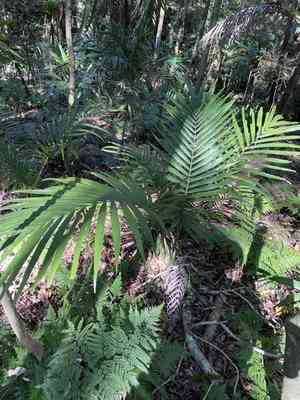
The King palm originates from the subtropical rainforests of Eastern Australia. In its natural setting, it experiences moderate sunlight filtered by taller trees. Grasping this native habitat aids in replicating ideal conditions for your King palm at home.
Optimal Light Conditions
For optimal growth, the King palm needs partial sunlightâroughly 3-6 hours of direct sun daily. While it can endure full sun, excessive exposure may cause leaf scorching. Ideally, morning sun followed by afternoon shade is perfect for maintaining vibrant foliage.
How Much Direct Sun is Best for King Palm?
Balancing Sun Exposure
Achieving the correct balance of sunlight is vital. Aim for a mix of direct and indirect light, placing your King palm where it gets gentle morning sun but is shielded from intense afternoon rays. This balance will help prevent potential sun damage.
Signs of Excessive or Insufficient Light
If your King palm receives too much sun, you'll observe scorched or brown leaf tips. Conversely, if it gets too little light, growth will slow, and leaves may become pale or yellow. Adjusting light exposure based on these indicators is crucial for plant health.
Placement Tips for Ideal Light
Selecting the Right Spot
The correct location is key to optimizing light for your King palm. A spot near a west or east-facing window can offer the perfect blend of direct and indirect light. If grown outdoors, consider placing it under taller trees or using a shade cloth during peak sun hours.
Adapting for Seasonal Changes
Seasonal shifts can significantly impact the amount of light your King palm receives. During winter, move the plant closer to a light source or use supplemental artificial light. Itâs essential to monitor light exposure and make adjustments year-round to ensure consistent growth.
Artificial Lighting Solutions for King Palm
Types of Supplemental Light
When natural light is inadequate, artificial lighting becomes necessary. Fluorescent lights and LED grow lights are excellent choices for your King palm. These lights should emit a full spectrum, mimicking natural sunlight, to encourage healthy development.
Setting Up Supplemental Lights
Setting up artificial lights involves positioning them at an appropriate distance from the King palm. Ideally, lights should be placed about 0.6-1 meter (2-3 feet) above the plant. Ensure they are on a timer to provide 10-12 hours of light daily, especially during shorter winter days.
Common Errors to Avoid With King Palm Sunlight
Overexposure Problems
Excessive exposure to direct sunlight can cause significant harm to the King palm. Avoid placing the plant in areas that receive intense afternoon sun for extended periods. Using a shade cloth or relocating the plant to a shaded spot can help mitigate this risk.
Ignoring Seasonal Adjustments
A common error is failing to modify lighting conditions based on the seasons. As days shorten in winter, your King palm might not receive enough light. Regularly monitoring and adjusting its position or supplementing with artificial light can prevent stunted growth and foliage discoloration.



