How Much Sunlight Do Christmas berry Need?
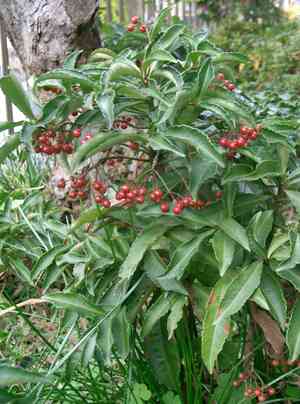
1
Christmas berry prospers with approximately 3-6 hours of direct sun each day.
2
Juvenile Christmas berry specimens require less sun exposure compared to older plants.
3
Illuminance meters are useful for precisely gauging internal light conditions for Christmas berry.
Optimal Light Requirements for Christmas Berry
Sun or Partial Shade?
The Christmas berry (Ardisia crenata) thrives in either full sun or partial shade, though finding the right balance is key. Ideally, your plant should get around 3-6 hours of sunshine daily. Excessive direct light can cause leaf scorching, whereas too little can hinder its development. Partial sun conditions mimic the speckled light Christmas berry plants encounter in their native habitats. Therefore, a spot with morning sun and afternoon shade is often most appropriate.
Prime Indoor and Outdoor Illumination
Indoor Christmas berry specimens should be situated near south or west-facing windows to maximize available sunlight. If natural light is limited, grow lights can supplement the sun. Outdoors, placing your Christmas berry in an area that receives filtered sunlight through taller vegetation or trees is perfect. This arrangement can provide sufficient light without exposing the plant to harsh midday sun.
Monitoring Light Exposure for Christmas Berry
Indicators of Excessive Light
A Christmas berry exposed to too much sun will show signs of distress. Look for scorched, yellowing, or crispy foliage. This can often be remedied by moving the plant to a slightly shadier spot or providing temporary cover during peak sunlight hours. Remember, the aim is to achieve balanced light exposure.
Indicators of Insufficient Light
When a Christmas berry doesn't receive enough light, it will display symptoms such as elongated growth, pale leaves, and reduced fruit production. If you notice these signs, consider moving the plant to a brighter location or adding supplemental illumination. Adjusting its position can greatly improve the plant's overall vitality.
Adapting Light for Growth Phases
Young vs. Mature Plants
Juvenile Christmas berry plants are more delicate and require less intense light, typically flourishing in bright, indirect illumination. As the plants mature and become more robust, they can tolerate stronger light conditions. Gradually acclimate young plants to increased light to prevent shock, and always observe their reaction to changes in light.
Seasonal Light Adjustments
Seasonal variations impact light intensity and duration, affecting your Christmas berry. During warmer summer months, more shade might be necessary to prevent leaf burn. Conversely, in winter, positioning your plant to receive maximum available light can compensate for shorter days and weaker sun. Adjusting the plant's location according to the seasons ensures it receives optimal light year-round.
Tools for Measuring and Optimizing Christmas Berry Sunlight
Utilizing Light Meters
A light meter is an excellent instrument for gauging the intensity of light your Christmas berry receives. These devices provide precise readings, allowing you to adjust the plant's placement as needed. By ensuring light levels are within the recommended range, you can maintain ideal growing conditions.
Employing Artificial Illumination
In environments where natural light is inadequate, artificial lighting can be vital for sustaining healthy Christmas berry plants. LED grow lights are energy-efficient and can be adjusted to provide the correct light spectrum. Configure the lights to mimic natural daylight patterns, ensuring the plant receives consistent light exposure throughout the day.



