How Much Sunlight Do Japanese laurel Need?
1
The Japanese laurel flourishes in environments ranging from complete shade to filtered sunlight, offering flexibility for placement indoors or outdoors.
2
Observe the plant's foliage carefully; discoloration such as yellowing or browning may signal inadequate light exposure.
3
Periodically turn your indoor Japanese laurel to promote uniform light reception and robust development.
Understanding Japanese laurel Illumination Needs
Native Habitat and Its Light Exposure
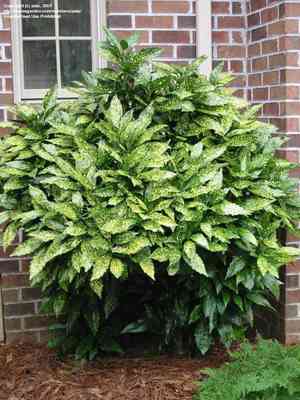
The Japanese laurel (Aucuba japonica) is a robust shrub originating from the shadowy, forested regions of Asia. In its indigenous setting, it thrives beneath the extensive canopies of larger trees, which shield it from direct solar radiation. These circumstances reveal the plant's adaptability and preference for subdued light levels and dappled, filtered sunshine.
Optimal Indoor Light Conditions
When cultivated indoors, the Japanese laurel favors luminous, indirect illumination. Position it near a north or east-facing window where it can receive gentle morning sun or diffused daylight. Avoid placing it in harsh afternoon sun exposure, as this can harm the foliage. If natural light is insufficient, consider employing supplemental artificial grow lights.
Optimal Outdoor Light Conditions
Outdoors, Japanese laurel flourishes in locations with complete shade or partial sun, typically excelling in spots that receive under three hours of direct sunlight daily. It can tolerate some morning sun, but afternoon shade is preferred. Excellent placements include under a patio, alongside walls, or beneath taller flora that offers ample coverage.
How to Determine If Your Japanese laurel Is Receiving Appropriate Light
Indicators of Excessive Sunlight
Too much sunlight can lead to leaf burn and discoloration to brown on the Japanese laurel. The foliage may appear scorched, particularly along the edges, and become crisp to the touch. If these symptoms are observed, transfer your plant to a more shaded position or use a sheer curtain to soften direct sunlight.
Indicators of Insufficient Sunlight
Conversely, inadequate light results in yellowing foliage and elongated, sparse growth. The plant might look pale and stretched, extending itself in search of more light. Ensure the plant has access to bright, indirect illumination or artificial lighting if natural light is deficient.
Monitoring Growth Characteristics
Consistent observation of your Japanese laurel will assist in tracking its light requirements. Steady, moderate development with vibrant green leaves indicates the plant is receiving ideal light. Any sudden alterations in leaf coloration, texture, or growth rate can signal that the light conditions need modification.
Suggestions for Providing Optimal Light for Japanese laurel
Best Indoor Placements
Locate the Japanese laurel in areas where it will acquire sufficient filtered light without being subjected to direct sun exposure. Ideal spots include adjacent to north-facing windows or in well-lit rooms equipped with sheer drapes. These positions emulate the plant's natural shaded environment, ensuring balanced development.
Utilizing Supplemental Lighting
If natural light proves inadequate, particularly in dimly lit homes or during shorter winter days, supplementing with artificial grow lights can be highly effective. Place the lights approximately 12-18 inches above the plant and operate them for about 12-14 hours daily to simulate natural daylight cycles.
Seasonal Light Adjustments
Natural light availability shifts with the seasons, and so should your care regimen. During winter, when days are shorter, contemplate relocating your Japanese laurel closer to windows or extending the duration of artificial lighting. Conversely, in summer, ensure the plant is shielded from intense sun, perhaps by moving it to a more shaded spot.
Common Light-Related Issues and Solutions for Japanese laurel
Leaf Scorch and Browning
If the Japanese laurel exhibits leaf scorch or browning, it likely requires more shade. Reposition the plant to an area where it is protected from direct afternoon sun. Applying mulch around the base of outdoor plants can also aid in moisture retention and lessen the impact of heat.
Etiolated Growth and Dull Color
Etiolated growth and poor color are indicators of insufficient light. Moving the plant to a brighter location with indirect light or augmenting light with grow lamps can enhance its appearance. Periodically check for signs of recuperation, such as richer leaf color and compact growth.
Regular Plant Rotation
For indoor Japanese laurel, turning the plant every couple of weeks ensures that all sides receive equitable light exposure. This aids in maintaining symmetrical growth and prevents the plant from leaning towards one direction. A consistent rotation schedule can significantly improve plant vitality and health.



