How Much Sunlight Do Ponytail palm Need?
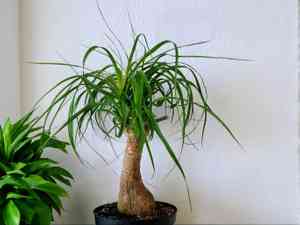
1
The Ponytail palm flourishes optimally with 3-6 hours of diffused daylight each day.
2
This plant can withstand various illumination levels, ranging from intense sun exposure to complete shadow.
3
Steer clear of direct midday solar rays to safeguard against scorching of its foliage.
The Importance of Sunlight for Ponytail Palm Development
Sunlight's Role in Energy Production
Sunlight is essential for the Ponytail palm as it facilitates photosynthesis, the process by which plants convert light into usable energy. This energy is fundamental for the plant's overall growth, including the formation of its distinctive curly foliage and robust base. Sunlight also aids in synthesizing crucial nutrients for maintaining plant health and vigor.
Light's Influence on Plant Vitality
Light significantly affects the Ponytail palm's well-being. Sufficient sunlight exposure keeps the plant vibrant and prevents issues like etiolation, where the plant stretches excessively in search of light. Balanced light exposure also preserves the attractive look of its leaves, keeping them lush and green.
Optimal Sunlight Requirements for Ponytail Palm
Desired Light Levels
The Ponytail palm thrives in moderate to bright, indirect light. Ideally, it should receive approximately 3-6 hours of diffused sunlight daily. While it can endure direct sun or complete shade, maintaining a balance is critical for optimal growth and preventing harm.
Best Locations for Maximum Sun Exposure
Placing the Ponytail palm near east or west-facing windows is perfect, as these spots offer ample illumination without the harshness of direct midday sun. If positioned outdoors, a location receiving morning sun and afternoon shade is best. Indoors, avoid south-facing windows where intense light might scorch the leaves.
Indicators of Inadequate or Excessive Sunlight
Symptoms of Insufficient Light
When exposed to insufficient light, the Ponytail palm may display sluggish growth, pale or yellowing foliage, and increased vulnerability to pests. The leaves might also become soft and droopy as the plant struggles to perform photosynthesis efficiently.
Signs of Too Much Light
Overexposure to sunlight can cause the Ponytail palm's leaves to develop brown tips or edges, indicative of sunburn. The plant may also show signs of stress like wilting, brittle leaves, or white spots signifying sun damage. Relocating the plant to a shadier position can help alleviate these symptoms.
Adjusting Sunlight Exposure for Ponytail Palm
Utilizing Artificial Illumination
When natural light is scarce, artificial light sources such as fluorescent or LED grow lights can be employed to supplement sunlight. Position the grow lights approximately 12-18 inches above the plant and ensure they are active for about 12-14 hours daily to simulate natural sunlight conditions.
Placement Tips for Seasonal Changes
Seasonal variations can impact sunlight intensity and duration. During colder months, move the Ponytail palm closer to light sources or into brighter rooms, while in summer, consider using sheer curtains to diffuse strong sunlight. This adjustment ensures the plant receives consistent light year-round.
Common Questions Regarding Ponytail Palm Sunlight Needs
Can a Ponytail Palm Flourish in Low Light?
While the Ponytail palm can survive in low light, it might not reach its full potential. Low light can result in slower growth rates and a less vigorous appearance. For peak health and development, it's advisable to place the plant where it can receive moderate indirect sunlight.
How to Revive a Sun-Damaged Ponytail Palm?
If your Ponytail palm exhibits sunburn symptoms like brown, crispy leaves, immediately move it to a more shaded area. Prune away the damaged foliage to prevent further stress to the plant. Ensure it receives filtered light and maintain consistent watering to aid its recovery.



