How Much Sunlight Do Common borage Need?
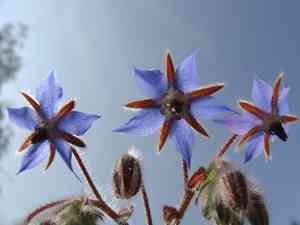
1
Common borage flourishes optimally with over six hours of daily solar exposure.
2
Although Common borage tolerates semi-shady conditions, it reaches its peak in direct sunlight.
3
Excessive solar radiation may cause sun damage, negatively impacting the vitality of your Common borage specimen.
Optimal Sunlight Requirements for Common borage
Hours of Sunlight Needed
Common borage is a heliophilic plant that thrives best with over 6 hours of direct sun daily. Full exposure to sunlight encourages robust development, vibrant blooms, and enhances its medicinal and culinary properties. Position your Common borage in a location that receives ample light throughout the day for optimal outcomes.
Ideal Sunlight Intensity
Beyond the duration, light intensity is vital for Common borage. This plant flourishes in bright, unshaded sunlight. Nevertheless, in regions with extremely hot summers, providing some afternoon cover can prevent potential leaf scorch. Bright morning sun followed by filtered afternoon light can create an optimal environment for this resilient herb.
What Happens if Common borage Gets Too Much Sunlight?
Symptoms of Overexposure
While Common borage benefits from sunlight, excessive exposure can lead to symptoms like leaf yellowing or browning, wilting, and sun scald. These signs indicate the plant is receiving more solar radiation than it can endure, particularly during intense midday sun.
Preventing Sun Scorch
To avoid sun scorch, consider planting Common borage where it gets morning sunlight and some dappled shade in the afternoon. Additionally, mulching around the plant's base can help retain soil moisture and keep roots cool, which can lessen the impact of too much sun. If growing Common borage in pots, moving them to a slightly shaded spot during peak sun hours can also be advantageous.
Can Common borage Grow in Shade?
Minimum Light Requirements
Although Common borage prefers full sun, it can tolerate partial sun conditions. This means the plant needs at least 3-6 hours of direct sunlight daily. In regions with weaker sunlight, selecting a spot that maximizes available light is essential.
Effects of Insufficient Light
Inadequate light can cause Common borage to become spindly and produce fewer flowers. The foliage may also appear pale and less vibrant. Ensure that even in partly shaded conditions, the plant receives some direct sunlight to maintain its health and growth.
Best Locations for Planting Common borage
Choosing the Right Garden Spot
When planting Common borage in your garden, select a location that receives full sun for most of the day. Elevated beds or garden borders facing south or west can be excellent options. Ensure the soil drains well to prevent root rot and other issues related to waterlogged soil.
Sunlight During Different Seasons
The amount of sunlight fluctuates with seasons. In spring and summer, Common borage can benefit from abundant light. However, in fall and winter, when daylight hours are shorter, consider planting your Common borage in the sunniest part of your garden to maximize light exposure.
Sunlight Tips for Indoor Growing of Common borage
Using Grow Lights
For indoor cultivation, Common borage may require supplementary lighting, especially during darker winter months. Utilize full-spectrum grow lights and position them approximately 12-18 inches (30-45 cm) above the plants. This setup ensures Common borage receives sufficient light for healthy development.
Positioning Near Windows
Indoor Common borage plants thrive when placed near south-facing windows that receive ample light. However, be wary of cold drafts from windows in winter. If necessary, use sheer curtains to diffuse the light and reduce the risk of leaf burn from intense sunlight.



