How Much Sunlight Do Paperflower Need?
1
Paperflower flourishes optimally under direct sunlight.
2
Confirm your Paperflower receives a minimum of 6 to 8 hours of sun daily.
3
Indicators of inadequate light exposure involve stretched stems and reduced flower production.
Optimal Light Requirements for Bougainvillea
Full Sun Exposure
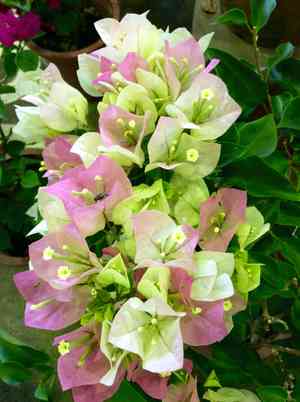
Bougainvillea, recognized for its brilliant and eye-catching bracts, flourishes best when exposed to direct sunlight. This species is a heliophile, readily thriving under intense solar radiation. Positioning it in a maximally sunlit area will result in the most profuse and vivid floral displays.
Duration of Sunlight
For prime development, Bougainvillea requires daily sunlight exposure of at least 6 to 8 hours. This timeframe ensures the plant acquires sufficient energy for producing its magnificent bracts and maintaining robust growth. Insufficient light can significantly impede its flowering capability.
Seasonal Sunlight Needs
While Bougainvillea favors consistent sunlight, its intensity and duration can vary by season. During active growth, extended daylight promotes vigorous plant health. In colder months, ensuring the plant still receives ample illumination is vital, despite shorter daylight periods.
Consequences of Inadequate Sunlight for Bougainvillea
Indicators of Insufficient Light
If a Bougainvillea lacks adequate sunlight, it will exhibit several clear symptoms. You might observe the plant becoming etiolated, with elongated stems and sparse foliage. Additionally, blooms may appear scant or less vivid, suggesting the plant struggles with proper photosynthesis.
Impact on Development and Flowering
A deficit of sufficient sunlight will hinder the development and blooming of Bougainvillea. The plant may yield fewer flowers, and its overall vitality can diminish. To prevent this, it's crucial to monitor light exposure, especially if the plant resides in a partly shaded location.
Can Bougainvillea Endure Partial Shade?
Adapting to Lower Light
Although Bougainvillea prefers full sun, it can acclimate to partial shade. However, this adaptability involves trade-offs. In shadier conditions, its flowering may be less abundant, and growth could be slower. Nonetheless, it remains resilient and can maintain reasonable health in less bright spots.
Shade-Tolerant Growth Strategies
To aid Bougainvillea in thriving within partly shaded environments, place it where it receives morning sun and some afternoon shade. This arrangement provides a balance, allowing the plant necessary light without overwhelming it with excessive shade.
Optimal Placement Strategies for Bougainvillea in Your Garden
Selecting the Ideal Location
When planning your garden layout, select a spot for your Bougainvillea that receives the most sunlight. South-facing positions are typically best, as they benefit from consistent solar exposure throughout the day. If this isn't feasible, prioritize a location that gets at least 6 to 8 hours of light.
Maximizing Daily Sunlight
Monitor the sunlight patterns in your garden to identify the prime location. If necessary, prune adjacent trees or shrubs that might cast shadows over your Bougainvillea. Positioning the plant slightly higher can also help it capture more sunlight.
Utilizing Artificial Illumination for Bougainvillea
When to Employ Grow Lights
In regions with limited natural light, particularly during winter, employing grow lights can be advantageous for Bougainvillea. Grow lights supplement ambient light, ensuring the plant receives its required light dosage to remain healthy and vibrant.
Appropriate Grow Light Types for Bougainvillea
LED grow lights are an excellent option for providing supplemental illumination to Bougainvillea. They are energy-efficient and emit the correct light spectrum that mimics natural sunlight. Fluorescent lights also serve as a good alternative, especially for indoor setups.
Setting Up and Maintaining Artificial Illumination
Arrange your grow lights to provide 14-16 hours of light during the active growth phase and approximately 10 hours during dormancy. Position the lights 30-45 cm (12-18 inches) above the plant to ensure uniform light distribution. Regularly check light functionality and adjust height as the plant matures.



