How Much Sunlight Do Blue Grama Need?
1
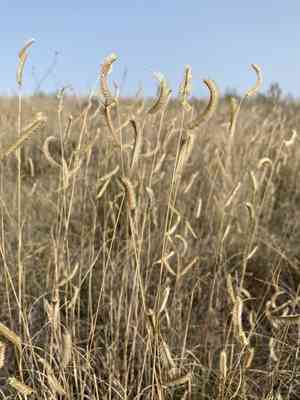
Blue Grama flourishes optimally with ample sunlight, requiring a minimum of 6 hours of direct solar exposure each day.
2
While this plant can endure partial shade, its development might be less vigorous than when grown in full sun.
3
Resistant to drought and robust, Blue Grama is an excellent choice for warm, bright environments.
Optimal Solar Exposure for Blue Grama
Full Sun Requirements
For your Blue Grama to flourish, it's vital to provide it with complete sun exposure. Ideally, this plant needs over 6 hours of direct sunlight daily. Ample sunlight aids Blue Grama in developing its robust structure and characteristic blue-green hue. These conditions replicate its native environment in prairies and grasslands, where it experiences minimal shade and continuous sun exposure.
Partial Shade Tolerance
Blue Grama can endure some light shade, but it's important to note that this should only be a secondary option. If you have garden areas with partial sun, you might find success, but the plant's growth rate and overall vitality may not be as strong as those grown in full sun. Partial sun areas receive approximately 3 to 6 hours of direct sunlight daily, and while Blue Grama can adapt, less sunlight exposure might result in slower growth and a less vibrant appearance.
Impact of Sun Exposure on Blue Grama Development
Optimal Growth Patterns
Under ideal sunlight conditions, Blue Grama exhibits vigorous growth. The plant will mature more quickly, forming dense, attractive clumps that can reach up to 30 centimeters (12 inches) in height. You'll also observe an abundance of its distinctive seedheads, which are not only decorative but also crucial for the plant's reproduction and spread.
Potential Problems from Insufficient Sunlight
Inadequate sunlight can lead to several issues for Blue Grama. Without the necessary 6 hours of sun, the plant may become elongated as it stretches toward the light, weakening its stems and diminishing its aesthetic appeal. Furthermore, the foliage might lose its characteristic color, shifting from a vibrant blue-green to a duller shade. Reduced sunlight can also hinder growth and decrease overall plant health, making it more vulnerable to pests and diseases.
Drought Resistance and Sunlight
A prominent feature of Blue Grama is its remarkable drought resilience. This trait is closely linked to its sunlight needs. In full sun, the plant efficiently uses water and optimizes photosynthesis, enhancing its ability to withstand dry conditions. However, if it doesn't receive enough sunlight, its drought tolerance lessens as it cannot perform photosynthesis optimally, leading to water stress and potential plant decline.
Advice for Ensuring Adequate Sunlight for Blue Grama
Placement in Your Garden
Selecting the correct location for your Blue Grama is crucial for its success. Position it in the sunniest part of your garden, free from shadows cast by structures, trees, or other tall plants. Elevated spots that receive consistent sunshine throughout the day are perfect. If you're planting multiple Blue Grama plants, space them appropriately to ensure each one gets ample sunlight without being overshadowed by its neighbors.
Seasonal Sunlight Adjustments
Seasonal variations can influence the amount of sunlight Blue Grama receives. In summer, the long days provide abundant sunlight, but as autumn approaches and days shorten, you might need to consider sunlight modifications. If you reside in an area with intense summers, consider offering temporary light shade during peak afternoon hours to prevent potential sunburn or excessive heat stress.
Can Blue Grama Thrive Indoors?
Challenges of Indoor Cultivation
Cultivating Blue Grama indoors presents various difficulties. The primary concern is providing sufficient sunlight. Most indoor environments do not receive the 6+ hours of direct sunlight required for optimal growth. Additionally, indoor conditions often lack the air circulation and temperature fluctuations that Blue Grama benefits from in its natural habitat. These factors can result in weaker growth and a higher likelihood of pest infestations.
Supplementing Indoor Sunlight
If you're determined to grow Blue Grama indoors, supplementing natural light with grow lights is essential. Place the plant near the brightest window in your home and use full-spectrum LED grow lights to mimic natural sunlight. Aim to provide the plant with at least 8 hours of this artificial light daily. Regularly rotate the plant to ensure all sides receive equal light exposure and periodically monitor the plant's condition to address any potential issues promptly.



