How Much Sunlight Do Queensland bottle tree Need?
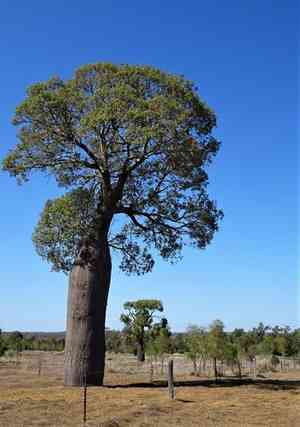
1
The Queensland bottle tree flourishes optimally with a minimum of 6 hours of direct sun each day.
2
Although it endures some shade, extended periods of low light may hinder its development.
3
Employing grow lights can assist indoor Queensland bottle trees in receiving adequate illumination.
Ideal Light Conditions for Queensland Bottle Tree
Full Sun Requirements
The Queensland bottle tree naturally thrives in direct sunlight, ideally receiving at least six hours of intense light daily. Positioning the tree in a location with ample sun exposure will ensure vigorous and healthy development. Full sun encourages robust trunk formation and vibrant foliage. For outdoor cultivation, selecting a site with minimal shade throughout the day is crucial.
Partial Shade Conditions
While the Queensland bottle tree prefers full sun, it can tolerate partial shade. This means it can withstand areas where it gets direct sunlight for approximately 3-6 hours daily. Under these conditions, the tree's growth rate might be slower, but it will still survive. In regions with intense summer heat, partial shade can prevent overheating and excessive moisture loss from the tree.
Indoor Lighting for Growth
Cultivating a Queensland bottle tree indoors presents more challenges due to limited natural light. To ensure sufficient illumination, place it near a south-facing window to absorb as much sunlight as possible. If natural light is inadequate, consider employing grow lights. These should operate for about 14-16 hours daily to replicate the tree's preferred lighting environment.
Impacts of Insufficient Light on Queensland Bottle Tree
Impaired Development
Inadequate sunlight can lead to hindered growth in the Queensland bottle tree. This species relies on abundant sunlight for efficient photosynthesis. Without enough light, its growth rate diminishes, and it may not achieve its full potential size. Providing the correct amount of light is vital for its overall well-being.
Foliage Discoloration
A clear indicator of insufficient sunlight is leaf discoloration. Leaves may become yellow or paler than normal, signifying they aren't receiving enough light to produce the chlorophyll essential for their green hue. This impacts both the tree's visual appeal and its health. Monitor the foliage, and if discoloration occurs, try moving the tree to a brighter location.
Guidelines for Optimal Sunlight Exposure
Selecting the Proper Site
Choosing the best spot for your Queensland bottle tree is fundamental. For outdoor planting, select a location that receives full sunlight for most of the day. Avoid shaded areas beneath larger trees or structures. If growing indoors, ensure it's placed in the brightest room, ideally near a large window. Regular rotation of the tree can help ensure uniform light distribution.
Seasonal Adjustments
As seasons change, so do the angle and intensity of sunlight. During colder months, the sun is lower, and daylight hours are shorter. You might need to modify the tree's position to maximize sunlight exposure. Moving the tree closer to windows and utilizing reflective surfaces to boost light can help manage seasonal light variations.
Utilizing Grow Lights
If natural light is insufficient, especially for indoor Queensland bottle trees, using grow lights is an effective solution. These lights should emit a spectrum similar to natural sunlight. Position the grow lights approximately 6-12 inches (15-30 cm) above the tree and keep them on for about 14-16 hours daily to mimic the natural daylight conditions the tree requires. Investing in a timer can help manage the lighting schedule efficiently.



