How Much Sunlight Do Big quaking grass Need?
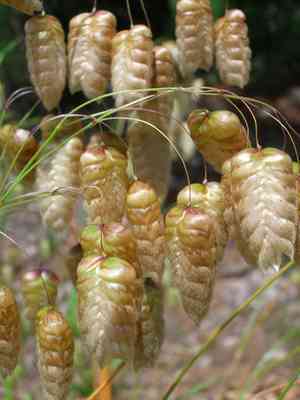
1
Big quaking grass flourishes optimally with ample direct sun exposure, requiring a minimum of 6 hours daily.
2
Inadequate light conditions can cause stress to Big quaking grass, manifesting as scorched leaves or changes in leaf color.
3
During periods of reduced natural light, you can augment it with artificial illumination to support robust development.
Grasping the Light Needs of Big quaking grass
Why Illumination Matters for Big quaking grass
Light is crucial for the development and vitality of Big quaking grass. This attractive decorative grass, recognized for its distinct, swaying seed heads, needs sufficient light to flourish. Proper light exposure ensures the plant can photosynthesize effectively, leading to vigorous growth and the formation of its characteristic seed heads. Without enough light, the grass might become spindly, pale, and less resistant to environmental pressures.
Photosynthesis Process in Big quaking grass
Photosynthesis is how Big quaking grass transforms light energy into chemical energy. This process happens in the chloroplasts within the grass cells, where light energy converts carbon dioxide and water into glucose and oxygen. Healthy, green leaves indicate efficient photosynthesis. For optimal photosynthesis, Big quaking grass requires ample sunlight, typically over 6 hours of direct sun daily.
Optimal Light Conditions for Big quaking grass
Direct vs. Indirect Light
Big quaking grass prefers direct sunlight over indirect. Direct sun provides the intense light energy needed for robust growth. In areas with intense summer heat, however, some afternoon shade can prevent potential scorching. If the grass is placed in an area with indirect light, it might not grow as vigorously and could show slower growth rates.
Best Time for Light Exposure
Morning sun is very beneficial for Big quaking grass as it is less intense and helps initiate photosynthesis early in the day. Ensure the plant receives sunlight from early morning until around midday for the best results. Afternoon sun is also good, but in very hot climates, a little shade during peak afternoon hours (between 3 PM to 5 PM) can be advantageous.
Advice for Providing Ideal Light to Big quaking grass
Placing the Plant in Your Garden
To ensure Big quaking grass gets the perfect amount of light, position it in the sunniest spot in your garden. An open south-facing area is usually ideal as it will receive the most sun exposure throughout the day. Avoid placing the plant near large shade-casting trees or tall structures that could block the light.
Using Shade and Light Modifiers
In extremely hot climates, employing shade cloths or light filters can help shield Big quaking grass from excessive heat and sunburn. These accessories can block some of the harshest rays during peak sunlight hours, ensuring the grass gets enough light without getting damaged.
Indicators of Light Stress in Big quaking grass
Identifying Sunburn and Leaf Damage
Signs of sunburn in Big quaking grass include browning or bleaching of the leaf tips and edges. Leaves may feel dry or brittle. If you observe these symptoms, it might mean the plant is getting too much intense sunlight, especially during the hottest part of the day.
Detecting Insufficient Light
Big quaking grass can also suffer from inadequate light exposure. Symptoms of light deficiency include pale, yellowing leaves, elongated stems, and poor or sparse foliage. If your grass appears weak and leggy, consider moving it to a brighter spot in your garden.
Adjusting Light Exposure for Seasonal Changes
Managing Light in Different Seasons
Big quaking grass requires adjustments in light exposure across various seasons. In spring and summer, ensure the plant gets plenty of direct sunlight. However, in autumn and winter, when daylight hours are shorter and the sun is lower in the sky, the grass may need to be relocated to a position where it can capture the most available light.
Supplementing Natural Light with Artificial Sources
During darker months, or if you're cultivating Big quaking grass indoors, you might need to supplement natural light with artificial light sources. Use grow lights to provide the necessary light spectrum for photosynthesis. Position the artificial lights close to the plants, maintaining a schedule of about 12-14 hours of light daily to mimic natural conditions.



