How Much Sunlight Do Cape chestnut Need?
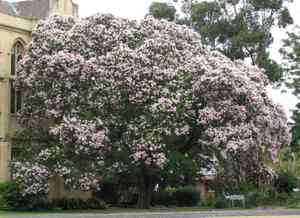
1
Cape chestnut flourishes optimally with more than 6 hours of daily sun exposure.
2
Shielding juvenile Cape chestnut specimens helps prevent sun damage.
3
Insufficient light may result in diminished flowering and hindered development.
What are the light requirements for Cape chestnut?
Optimal Light Exposure
The Cape chestnut tree thrives in bright sun, needing at least six hours of direct sunlight daily. This exposure supports robust branch development and the production of its lovely, fragrant flowers. Placing your Cape chestnut where it receives ample light is crucial for its health and longevity.
Shade Tolerance
While Cape chestnut prefers full sun, it can endure partial shade, especially during the year's warmer periods. Partial shade can benefit younger trees as they establish. However, extended periods of shade may hinder the tree's growth rate and its ability to bloom fully.
Impact of Insufficient Light
Inadequate light can negatively affect the Cape chestnut. The tree might show stunted development, resulting in a smaller, less vigorous plant. Additionally, insufficient light can lead to sparse flowering or a complete absence of blooms, diminishing the tree's visual appeal. Ensuring your Cape chestnut gets enough light is vital for its health and beauty.
Impact of Excessive Light
Though light is generally beneficial, too much direct sun, particularly in very hot climates, can cause sunburn on Cape chestnut leaves. Sunburned leaves may appear scorched and can weaken the plant over time. During intense heat, providing some shade during peak sun hours can help protect the tree.
Does Cape chestnut need direct sunlight?
Benefits of Direct Sunlight
Direct sunlight is essential for the Cape chestnut, promoting vigorous growth and enhancing its overall vitality. The energy from sunlight is converted into food via photosynthesis, fueling the tree's development and flowering. A sunny spot ensures vibrant blooms and a strong structure.
Risks of Overexposure to Direct Sunlight
While beneficial, too much direct sunlight, especially during extreme temperatures, can pose risks. Leaves might develop sunburn spots, leading to discoloration and damage. To prevent this, use protective measures like shade cloths, particularly for young or newly planted trees. Monitoring for sunburn signs and prompt intervention can reduce these risks.
Where are the best places to plant Cape chestnut?
Ideal Garden Locations
When choosing a garden spot for a Cape chestnut, look for areas that receive abundant sunlight. South-facing locations are often perfect as they typically get the most sun throughout the day. Ensure the site has well-draining soil to prevent waterlogging, which can harm roots. A sunny, slightly elevated spot is ideal for this sun-loving tree.
Considerations for Indoor Cultivation
Growing Cape chestnut trees indoors is difficult due to their high light requirements. If attempted, place the tree near a large window that receives ample light. Supplemental grow lights can help provide necessary light exposure, but regular monitoring is crucial to maintain the tree's health.
Seasonal Light Variations
Be aware of how sunlight patterns change seasonally. During winter, the sun's angle shifts, and daylight hours shorten. Ensure your Cape chestnut receives adequate light year-round by adjusting its position or using artificial lighting when natural sunlight is insufficient.
How to adjust light exposure for Cape chestnut?
Using Mulch and Shade Cloth
Mulch helps retain moisture and regulate soil temperature, protecting roots from extreme heat. During very hot periods, a shade cloth can shield the Cape chestnut from excessive sunlight, preventing leaf burn and stress. These methods help maintain a balanced micro-environment around the tree.
Pruning Techniques
Pruning is a useful method for managing light exposure. By trimming and thinning the canopy, you can ensure light penetrates effectively, reaching all parts of the tree. Regular pruning also prevents overcrowding and promotes better air circulation, which is beneficial in hot climates.
Relocating the Plant
If your Cape chestnut isn't thriving in its current spot, consider moving it to a more suitable location with better light exposure. Be careful when transplanting to avoid root damage. Early spring or late fall, when the tree is dormant, are ideal times for relocation.
Common light-related problems in Cape chestnut
Leaf Burn
Excessive direct sunlight can cause leaf burn, visible as scorched or brown edges. To prevent this, provide shade during peak sun hours and ensure the tree is well-hydrated.
Stunted Growth
Insufficient sunlight can lead to stunted growth, preventing the tree from reaching its full size. Ensure the tree gets adequate light exposure, and if indoors, consider supplemental lighting.
Poor Blooming
A lack of sunlight can result in fewer or no flowers on your Cape chestnut. Ensuring sufficient light and proper care can encourage healthy flowering.
Fungal Issues
Overexposure to sunlight combined with improper watering can lead to fungal problems, such as leaf spots or mildew. Maintaining good air circulation and monitoring watering can help mitigate these issues.



