How Much Sunlight Do Canterbury bells Need?
1
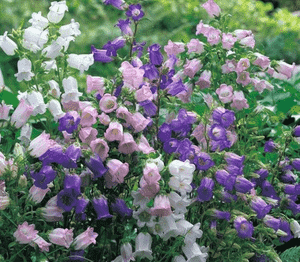
Canterbury bells flourish in direct sunlight but can also withstand some dappled light.
2
Ideal illumination fosters vivid blossoms and vigorous development.
3
Indoor Canterbury bells might benefit from additional artificial lighting.
Optimal Light Needs for Canterbury Bells
Full Sun vs. Partial Shade Preferences
Regarding light requirements, Canterbury bells flourish in full sun, meaning they thrive with over 6 hours of direct sunlight daily. However, they are quite adaptable and can also endure partial shade, which involves roughly 3-6 hours of sun. Partial shade can be advantageous in hotter climates, preventing leaf burn and promoting robust development. Understanding this balance allows gardeners to strategically position Canterbury bells in prime spots within their garden or on their patio.
Daily Light Exposure
Ensuring Canterbury bells receive their daily sunlight dose is crucial for their photosynthesis, which in turn fuels their development and blossoming. Ideally, consistent sunlight exposure will lead to more vibrant and frequent flowers. If you reside in an area with intense midday sun, it might be wise to offer some shading during those peak hours to prevent potential damage.
Seasonal Light Variations
The amount of sunlight your garden receives can fluctuate significantly with the seasons. During the spring and summer, days are longer, offering more natural light. Conversely, autumn and winter bring shorter days and less sun. It's vital to monitor these seasonal shifts and adjust your Canterbury bells' placement accordingly. If relocating the plants isn't feasible, consider using reflective surfaces or trimming nearby plants to ensure your Canterbury bells get their necessary light.
Evaluating Sunlight Intensity
Measuring Light Levels Effectively
To best care for your Canterbury bells, understanding the intensity of the light they're receiving is critical. Light meters are valuable tools that can help quantify light levels, providing an accurate measurement in lux or foot-candles. This information allows you to make informed choices about plant relocation or adding shade. Regular checks of light levels ensure your plants consistently receive appropriate illumination.
Morning vs. Afternoon Sun Exposure
Morning sun is typically milder and less intense than afternoon sun, making it ideal for Canterbury bells. These early rays help initiate photosynthesis without the risk of overheating. Conversely, the afternoon sun can be much harsher and potentially cause leaf scorch. If your garden space doesn't permit full morning sun exposure, consider partial shade solutions during peak afternoon hours.
Consequences of Excessive Sunlight
While Canterbury bells appreciate sun, it's possible for them to get too much. Overexposure to sunlight can result in leaf scorch, evidenced by brown, crispy leaf edges. Additionally, too much sun could dry out the soil faster, necessitating more frequent watering. Balancing sunlight exposure with proper hydration is essential for maintaining the health and beauty of your Canterbury bells.
Optimizing Indoor Sunlight for Canterbury Bells
Ideal Indoor Placements
For indoor Canterbury bells, selecting the correct location is paramount. Ideally, place them near a south-facing window where they can receive ample indirect light throughout the day. If a south-facing window is unavailable, an east or west-facing window can work, though you might need to supplement with artificial light sources to achieve the required light levels.
Utilizing Grow Lights
Grow lights are an excellent option for indoor Canterbury bells, particularly during shorter winter days or in areas where natural light is insufficient. LED grow lights are energy-efficient and can be customized to provide the light spectrum your plants require. Aim to provide approximately 12-16 hours of light per day if relying on grow lights as the primary illumination source.
Monitoring Interior Light Conditions
Keeping track of the light conditions inside your home is crucial for successful indoor gardening. Light meters can be beneficial in this context, just as they are for outdoor gardening. Regularly check the light levels around your Canterbury bells and adjust plant positioning or grow lights as needed to ensure they receive optimal illumination.
Indications of Incorrect Sunlight Exposure
Recognizing Sunburned Foliage
Sunburned leaves are a clear sign that your Canterbury bells are receiving excessive sunlight. Symptoms include browning or crisping at the leaf margins, bleached areas, or a general yellowing of the leaves. If these signs appear, consider relocating the plant to a shadier spot or providing more protection during peak sun hours.
Detecting Symptoms of Insufficient Sunlight
Conversely, a lack of sunlight can lead to pale, elongated growth and fewer flowers. The plant may stretch towards the light source, indicating it's not receiving enough. Addressing these symptoms promptly is vital—move your Canterbury bells to a brighter location or, for indoor plants, invest in supplementary lighting to promote vigorous growth.



