How Much Sunlight Do Trumpet creeper Need?
1
Campsis radicans flourishes with ample sunlight, needing over six hours of direct solar exposure each day.
2
This adaptable vine endures some shaded environments, although its bloom production might diminish.
3
Thoughtful placement and trimming can optimize light absorption and foster more vigorous development.
Ideal Light Requirements for Trumpet creeper
Requirements for Full Sun
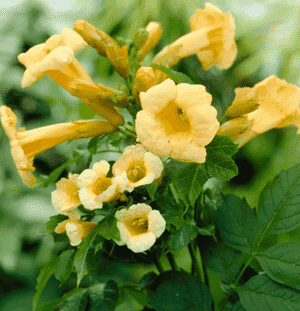
To flourish truly, Trumpet creeper plants demand ample sunlight. This robust climber thrives best in spots where it can soak up full sun for over six hours daily. Full sun encourages strong development and a magnificent show of tubular orange-red blossoms throughout its active period. When cultivating Trumpet creeper in full sun, you're paving the way for a healthy, vivid plant that can become a garden highlight.
Tolerance for Partial Shade
While Trumpet creeper excels in full sun, it can also endure conditions with some partial shade. However, note that partial shade might impact the plant's blooming capacity and growth rate. With less than six hours of sunlight, you might observe fewer flowers and slower progress. If your planting location has some shade during the day, aim for the plant to receive as much morning sun as possible for optimal outcomes.
How to Gauge if Trumpet creeper is Receiving Sufficient Sunlight
Indicators of Inadequate Sunlight
Determining if your Trumpet creeper gets enough sunlight involves observing its growth patterns. If the plant isn't getting sufficient illumination, you might notice long, spindly stems as it reaches for available light. Additionally, its leaves may appear pale or yellow, and flowering could be significantly reduced or absent. A weak or sparse growth habit typically signifies that the plant requires more sun exposure.
Indicators of Excessive Sunlight
Conversely, too much direct sunlight, especially in very hot climates, can also stress the Trumpet creeper. Symptoms of overexposure to sun include scorched or sun-damaged leaves, which can turn brown and brittle at the edges. Although this plant loves the sun, providing some afternoon shade in extremely hot environments can prevent heat stress and maintain its vitality.
Prime Locations to Plant Trumpet creeper for Best Sunlight
Outdoor Cultivation
For outdoor planting, select a site where the Trumpet creeper will get abundant sunlight. Optimal locations include south-facing walls or trellises where the plant can climb and exhibit its striking blossoms in clear view. Ensure the area is well-ventilated to prevent fungal issues and offers sturdy support for the plant as it matures.
Indoor and Greenhouse Environments
Though Trumpet creeper is generally better suited for outdoor settings, it can also be cultivated indoors or in a greenhouse with proper care. When grown inside, ensure the plant receives plenty of light by positioning it near south-facing windows or by providing supplementary grow lights. In a greenhouse, place the plant to maximize natural light, and maintain good air circulation to emulate outdoor conditions.
Strategies to Enhance Sunlight Exposure for Trumpet creeper
Pruning to Improve Light Access
Regular pruning is crucial to help your Trumpet creeper receive maximum sunlight. By removing dead or overly dense branches, you enable more light to penetrate the foliage. Early spring is the ideal time for pruning, right before new growth emerges. This practice not only boosts sunlight exposure but also encourages a healthy, vigorous plant with greater flowering potential.
Utilization of Reflective Materials
Another method to boost sunlight exposure is to employ reflective surfaces around your Trumpet creeper. Mirrors or reflective garden ornaments placed strategically can direct additional light onto the plant. This technique is particularly effective in partially shaded gardens or indoor settings where natural light is limited. Reflective surfaces aid in increasing the total amount of light the plant absorbs, thereby supporting its growth cycle.



