How Much Sunlight Do Broad-leaf sedge Need?
1
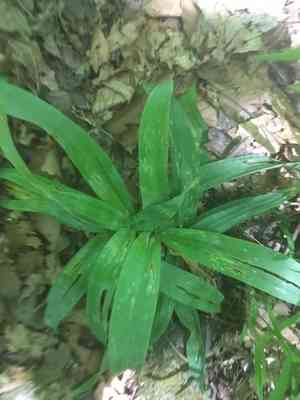
Broad-leaf sedge flourishes optimally with partial sun exposure, getting roughly 3-6 hours of direct light each day.
2
Although it endures complete shade, excessive illumination may lead to leaf burn.
3
Perfect outdoor locations for Broad-leaf sedge include spots with morning sun and afternoon shade to avoid overheating.
Optimal Light Conditions for Broad-leaf Sedge
Shade Tolerance
A notable characteristic of Broad-leaf sedge is its capacity to flourish across diverse light environments. It exhibits impressive resilience to full shade, making it perfect for garden areas with minimal sun exposure. This trait allows it to be a flexible addition to dim garden corners, beneath large trees, or indoors in rooms with limited natural illumination. However, while it can endure full shade, it may not achieve its peak development in such settings.
Partial Sunlight
For peak development, Broad-leaf sedge thrives in partial sunlight. This implies it prospers in locations receiving roughly 3-6 hours of daily sun. The best scenario involves placing it where it gets morning sun and is shielded from intense afternoon rays. Partial sunlight helps the plant maintain its vibrant, green foliage and encourages balanced growth, preventing it from becoming too weak or scorched.
Full Sunlight
While Broad-leaf sedge can withstand full sunlight, it's generally not advised. Extended exposure to strong, direct sun can cause leaf scorch, resulting in brown patches or edges on the leaves. If placement in a sunny spot is necessary, ensure it has some relief from the afternoon heat, perhaps through the strategic use of taller companion plants that offer midday shade.
Selecting the Best Location
Indoor Placement Advice
When positioning your Broad-leaf sedge indoors, select spots that offer indirect or filtered sunlight. Ideal locations include near east-facing windows where it can capture gentle morning light. Always rotate the plant every few weeks to ensure uniform growth and prevent it from leaning towards the light source.
Top Outdoor Spots
Outdoors, choose areas with dappled sunlight or spots that receive morning sun followed by afternoon shade. Gardens with semi-shaded zones under pergolas or the canopy of larger plants create an excellent habitat. Remember, while Broad-leaf sedge can handle varied light conditions, shielding it from afternoon sun will prevent heat stress and preserve foliage health.
Indicators of Incorrect Sunlight Exposure
Yellowing Foliage
Yellowing leaves often signal that your Broad-leaf sedge isn't receiving the right amount of sunlight. Typically, if the plant is in excessive shade for prolonged periods, its leaves might begin to yellow due to insufficient photosynthesis. If you observe this symptom, try moving your plant to a brighter location or ensuring it gets the crucial 3-6 hours of partial sunlight.
Restricted Growth
Restricted growth is another indicator of improper sunlight exposure. If your Broad-leaf sedge isn't growing as robustly as it should, it might be due to inadequate light. Partial sunlight supports vigorous growth, whereas too little light will impede its development. Adjusting its location to a spot with more light can help restore its growth rate.
Leaf Burn
Leaf burn appears as brown or scorched areas on the leaves. This usually points to excessive direct sunlight. If your Broad-leaf sedge is experiencing leaf burn, consider moving it to a location with less intense light, such as a shaded area, or use protective shading between 11 AM and 3 PM when the sun is strongest.
Modifying Sunlight Exposure
Utilizing Shade Cloth
An effective method to manage sunlight exposure for your Broad-leaf sedge is by employing shade cloth. This is particularly useful if you need to provide extra protection during the intense summer months. A shade cloth with 30-50% density can filter out excessive sunlight, allowing your plant to receive just the right amount of light and reducing the risk of leaf burn.
Repositioning the Plant
Repositioning your Broad-leaf sedge can be an excellent solution if it's getting too much or too little sunlight. For instance, if potted indoors, move it closer to a window or further away, depending on its requirements. Outdoors, you can shift it under a tree or pergola as seasons change to maintain optimal light conditions.
Trimming Nearby Trees and Shrubs
If your Broad-leaf sedge is planted outdoors and not receiving sufficient sunlight due to crowded surroundings, consider pruning nearby trees and shrubs. Trimming back overgrown branches will allow more light to reach your plant, promoting better growth and health. This can create a balanced light environment without the need to relocate the plant itself.
Seasonal Light Fluctuations
Summer Care for Broad-leaf Sedge
During summer, sunlight intensity can significantly increase. Ensure your Broad-leaf sedge is shielded from the harsh midday sun to prevent leaf burn. Using shade cloths, moving pots, or ensuring it's in a spot with morning sunlight and afternoon shade are vital steps for summer care.
Winter Considerations
In winter, the amount of natural sunlight diminishes. If your Broad-leaf sedge is indoors, place it in a well-lit area, possibly a south-facing window that receives more light during these shorter days. If it's outdoors, consider moving it to spots where sunlight is not obstructed by buildings or other structures.



