How Much Sunlight Do Bitternut hickory Need?
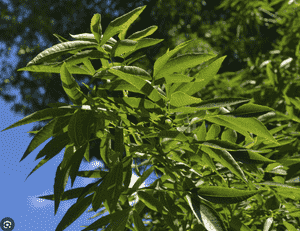
1
Bitternut hickory flourishes optimally in direct sunlight, needing more than six hours of sun each day.
2
It can endure some shade, though this might hinder its development and nut yield.
3
The amount of sunlight Bitternut hickory requires is greatly influenced by seasonal variations.
Grasping Bitternut Hickory Light Requirements
Bitternut Hickory Sun Exposure Categories
Sunlight exposure is crucial for Bitternut hickory's health and development. This native North American tree thrives best in full sun, meaning it needs over 6 hours of direct sunlight daily. However, it can also endure partial sun, implying it can manage with 3-6 hours of light. While adaptable, optimal exposure guarantees superior growth and nut yield.
Optimal Light Conditions for Bitternut Hickory
The perfect environment for Bitternut hickory is an area with unobstructed sun access. The tree's vigorous growth and nut output heavily rely on abundant sunlight. Without enough light, the tree may experience stunted development, fewer nuts, and diminished overall health. Therefore, prioritizing full sun during planting is essential for long-term success.
Ensuring Bitternut Hickory Receives Ample Sunlight
Positioning Bitternut Hickory for Maximum Light
To maximize sun exposure, plant your Bitternut hickory in a spot that gets full sun from morning until late afternoon. Avoid locations shaded by buildings, other large trees, or structures that might block light. If uncertain about your area's sunlight, consider using a light meter or observing sun patterns for several days before planting.
Common Errors in Providing Sunlight to Bitternut Hickory
A frequent error is planting Bitternut hickory in partly shaded areas or too close to other trees that vie for light. Additionally, neglecting seasonal light changes and not accounting for nearby plant growth can result in inadequate sun exposure. Ensuring your tree has clear access to sunlight year-round is vital for its successful development.
Seasonal Light Changes for Bitternut Hickory
Spring and Summer Light Needs for Bitternut Hickory
During spring and summer, days are longer, offering ample sunlight for Bitternut hickory. This period is critical for its growth cycle, as it strengthens its structure and prepares for nut production. Ensure the tree receives full sun during these months to maximize growth and yield.
Fall and Winter Light Needs for Bitternut Hickory
In fall and winter, Bitternut hickory enters dormancy with reduced light requirements. However, sufficient light remains important to prevent stress when the growing season resumes. During these months, maintaining an open space around the tree ensures it gets enough sunlight even when days are shorter.
Impacts of Inadequate Sunlight on Bitternut Hickory
Indicators of Excessive Sunlight for Bitternut Hickory
While rare, too much sunlight, especially in extremely hot climates, can cause leaf scorch and dehydration. Ensure the tree is well-hydrated, and consider providing temporary shade during peak sun hours if the tree shows signs of stress, such as wilting leaves or burned edges.
Indicators of Insufficient Sunlight for Bitternut Hickory
Insufficient sunlight can lead to several problems, including stunted growth, sparse foliage, and poor nut production. Look for elongated, weak branches and smaller leaves as signs of inadequate light. If these symptoms appear, consider pruning nearby plants and trees to allow more sunlight to reach your Bitternut hickory.



