How Much Sunlight Do Burmese fishtail palm Need?
1
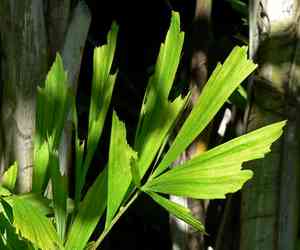
Burmese fishtail palms flourish with ample, filtered light, though they can handle some direct sun exposure.
2
Place indoor specimens by windows facing east or west to provide ideal illumination.
3
Supplemental grow lights can augment natural light, particularly during colder seasons.
What Type of Illumination Does the Burmese Fishtail Palm Require?
Understanding Illumination Needs
The striking and distinctive Burmese fishtail palm is celebrated for its captivating, fishtail-shaped fronds and adaptability to various lighting situations. While it can withstand a range of light intensities, it thrives best in bright, indirect illumination. This tropical specimen originates from areas where it enjoys dappled light beneath the canopy of larger trees. Consequently, it is accustomed to filtered light rather than direct, harsh sunbeams.
Optimal Illumination Conditions
To guarantee your Burmese fishtail palm receives the perfect amount of light, aim for 6 to 8 hours of brilliant, diffused light daily. This might involve situating it near a window that receives ample light but is shielded from the intense midday sun. Although the plant can endure partial sun, prolonged exposure to direct sunlight can burn its delicate fronds. Achieving a balance between these conditions is crucial for maintaining a healthy and vibrant plant.
How to Position Your Burmese Fishtail Palm for Best Sunlight Exposure
Indoor Placement
When positioning your Burmese fishtail palm indoors, select a location that benefits from abundant light but avoids direct solar exposure. East or west-facing windows are perfect spots, as they offer bright light in the morning or late afternoon without the intensity of midday rays. If your home lacks natural light, utilize sheer curtains to soften the sunlight or consider employing supplementary artificial lights.
Outdoor Placement
For outdoor positioning, choose a spot that receives partial shade, especially if your region experiences intense sunlight. Placing your palm beneath taller trees or on a shaded patio can replicate the plant's natural habitat. It's vital to provide some protection from wind and direct midday sun, which can be damaging to the leaves. Regularly evaluate your plant’s light exposure and adjust as necessary to prevent leaf scorching.
Seasonal Adjustments
As the seasons shift, so will the lighting conditions. During the shorter, darker winter months, you might need to relocate your Burmese fishtail palm closer to light sources or supplement with artificial illumination. Conversely, in the summer, you may have to provide more shelter from the intense sun. Monitoring your plant’s response to varying light levels throughout the year ensures it stays healthy year-round.
Indicators Your Burmese Fishtail Palm Requires More or Less Light
Symptoms of Insufficient Light
A Burmese fishtail palm that is not receiving adequate light will exhibit signs of distress. Look for stunted growth, yellowing foliage, or an overall sparse appearance. The leaves may become excessively elongated as they stretch toward any available light source. If you notice these symptoms, gradually increase the light exposure, remembering to avoid sudden changes that could shock the plant.
Symptoms of Excessive Light
Conversely, too much direct sunlight can scorch the fronds of your Burmese fishtail palm, causing them to appear brown or bleached. The leaves may also curl or develop dry, crisp edges. If your plant is suffering from excessive light, move it to a location with filtered sunlight and remove any severely damaged leaves to promote new growth.
How to Supplement Illumination for Your Burmese Fishtail Palm
Utilizing Artificial Illumination
During periods of limited natural light, such as winter, artificial grow lights can be a valuable aid. LED grow lights are energy-efficient and can supply the full spectrum of light necessary for your Burmese fishtail palm. Position the light approximately 30 to 60 centimeters (12 to 24 inches) above the plant, and set it on a timer to emulate the natural daylight cycle, ensuring 6 to 8 hours of light daily.
Light Rotation Methods
To ensure uniform light distribution and prevent one side of the plant from becoming overexposed while the other is underexposed, periodically rotate your Burmese fishtail palm. A simple method is to turn the plant a quarter turn each week. This not only balances light exposure but also encourages symmetrical development, keeping your palm looking lush and full from all angles.



