How Much Sunlight Do Floss silk tree Need?
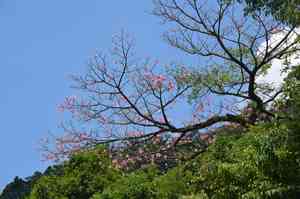
1
The Floss silk tree flourishes optimally with direct sunlight for a minimum of six hours daily.
2
Partial shade is acceptable for the Floss silk tree, though it might impact flower production.
3
Provide your Floss silk tree with increased sun exposure in colder regions to encourage peak development.
Ideal Light Conditions for Floss silk tree
Full Sun Exposure
The Floss silk tree originates from areas with plentiful sunshine, making complete sun exposure the perfect environment for its development. This tree flourishes when it gets at least six hours of direct sunlight daily. Full sun encourages robust growth, vivid blossoms, and the tree's general well-being. If you desire the most striking display of its distinctive pink or white flowers, ensure your tree is situated where it can absorb ample sunlight throughout the day.
Partial Shade Tolerance
Although the Floss silk tree prefers full sun, it can endure partial shade, particularly during the hottest part of the day. However, this partial shade should not exceed 25% of the day to prevent negative impacts on flower production and growth rate. If you reside in a region with intense midday sun, providing some afternoon shade can help safeguard the tree from potential heat stress.
Temperature and Climate Considerations
Temperature significantly influences the Floss silk tree's light requirements. These trees favor warm climates and can prosper in areas where temperatures range from 20°C to 35°C (68°F to 95°F). In cooler regions, placing the tree in a spot that receives the maximum amount of sunlight is vital. While they can withstand brief periods of freezing temperatures, prolonged frost can be harmful. Consider using frost covers or other protective measures in colder climates to help your tree survive frosty periods.
Ensuring Adequate Sunlight for Your Floss silk tree
Selecting the Right Planting Location
Choosing the optimal site for your Floss silk tree is the initial step in guaranteeing it receives sufficient sunlight. Seek a location that gets abundant sunlight throughout the day, free from shadows cast by structures or larger trees. South-facing areas are generally superior in the Northern Hemisphere, as they tend to receive the most consistent sunlight.
Managing Seasonal Sunlight Changes
The amount of sunlight your Floss silk tree receives can vary with the seasons. During spring and summer, days are longer, providing ample sunlight. Conversely, fall and winter months have shorter days and lower light levels. To mitigate this, ensure the tree is in an ideal location that captures the most sunlight year-round, and consider supplementary lighting during shorter days if necessary.
Indoor vs Outdoor Growth Conditions
Though primarily an outdoor tree, the Floss silk tree can be cultivated in spacious indoor areas with adequate light. For indoor growth, position the tree near a south-facing window where it will receive abundant light. Utilize grow lights to supplement natural light, especially in winter. Remember to rotate the tree periodically to ensure even light distribution and prevent it from leaning towards the light source.
Common Sunlight Issues for Floss silk tree
Signs of Sunburn or Leaf Scorch
Even though the Floss silk tree loves the sun, intense exposure without sufficient water can lead to sunburn or leaf scorch. Symptoms to look for include browning or yellowing of leaves, scorched leaf tips, and general wilting. If these signs appear, review your watering schedule and ensure the tree has enough moisture to cope with the sun's intensity.
Addressing Insufficient Sunlight
When the Floss silk tree doesn't get enough sunlight, it may exhibit stunted growth, fewer flowers, and an overall lack of vigor. To remedy this, consider moving the tree to a sunnier spot or pruning back nearby plants that might be casting shade. For indoor trees, increase the use of grow lights to simulate natural sunlight.
Frequently Asked Questions about Floss silk tree Sunlight Needs
Can Floss silk trees Grow in Low Light?
While the Floss silk tree can survive in dimmer light conditions, thriving and blooming to its full potential requires ample sunlight. Low light often results in leggy growth and fewer blooms. Therefore, it's not ideal to plant this tree in shaded or low-light areas for extended periods.
What Is the Best Time of Day for Sunlight?
Morning sunlight is most advantageous for the Floss silk tree, as it's less intense and provides the tree with the light it needs to begin its photosynthesis process early in the day. Aim for a location where the tree can enjoy the gentle morning sun and receive consistent light throughout the day.
Are South-Facing Gardens Ideal?
Yes, south-facing gardens are typically the best for cultivating Floss silk trees because they receive the most consistent and prolonged exposure to sunlight throughout the day. This orientation ensures the tree can access natural light from dawn to dusk, promoting healthier growth and vibrant flower production.



