How Much Sunlight Do Cornflower Need?
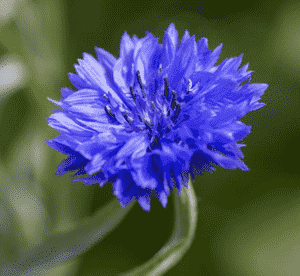
1
Cornflowers flourish optimally when exposed to full sunlight, receiving a minimum of 6 hours of direct sun daily.
2
While Cornflowers can withstand some partial shade, insufficient light may impede their flowering.
3
Excessive direct sunlight might occasionally cause the leaves of Cornflowers to burn.
The Critical Role of Sunlight for Cornflowers
Energy Conversion and Development
Sunlight is essential for all plants, and Cornflowers are no different. Through photosynthesis, Cornflowers convert solar energy into chemical energy, which fuels their overall development. Without enough illumination, their growth can be hindered. Make sure your Cornflowers are positioned to receive unimpeded sunlight.
Flower Production and Quality
For Cornflowers to display their full beauty, sunlight is indispensable. Sunlight directly impacts both the quantity and vibrancy of their blossoms. With ample solar exposure, they will produce more vivid and numerous flowers. Conversely, insufficient light can lead to fewer and duller blooms.
Plant Vigor and Pest Resistance
Sufficient sunlight helps Cornflowers maintain their health and ward off diseases. Sunlight assists in drying the plants after rainfall, reducing the likelihood of fungal infections and other ailments. A lack of light can make the plants more vulnerable to pests and pathogens.
Ideal Sunlight Conditions for Cornflowers
Full Sun Requirements
Cornflowers flourish in full sun, meaning they need a minimum of six hours of direct sunlight daily. This level of light provides the energy required for strong growth and abundant flowering.
Partial Shade Tolerance
While Cornflowers prefer full sun, they can endure some partial shade. In regions with extremely high temperatures, a bit of afternoon shade can prevent leaf burn. However, extended periods in shade may result in fewer flowers and weaker plants.
Daily Light Exposure
For prime development, aim for your Cornflowers to get at least six to eight hours of sunlight each day. This can be a mix of morning and afternoon sun, depending on your garden layout and local climate.
Recognizing Sunlight-Related Issues in Cornflowers
Indicators of Insufficient Light
If Cornflowers are not receiving enough sunlight, you might observe elongated stems as they stretch toward light sources, pale or yellowing foliage, and fewer flowers. These signs suggest the plant isn't getting the necessary energy from photosynthesis.
Impacts of Excessive Light
Although Cornflowers love sunlight, too much without adequate hydration can cause leaf scorch and wilting. Leaves may appear burned, especially along the edges, and blooms might become faded. Ensuring they stay watered is crucial when exposed to intense solar radiation.
Remedial Actions
If you notice problems linked to sunlight, evaluate your Cornflowers' placement. Relocate them to a spot with better light or offer some shade during the day's hottest hours. For container-grown plants, adjusting their position with the sun's movement is simpler.
Ensuring Optimal Sunlight for Your Cornflowers
Choosing the Best Location
Select a garden area that receives plenty of sunlight, particularly in the morning. East-facing sites are typically perfect as they ensure your Cornflowers get morning sun and some relief during the hottest part of the day.
Seasonal Adjustments
As seasons change, the sun's angle and intensity vary. In spring and summer, direct sunlight is more plentiful, while in fall and winter, potted Cornflowers might need to be moved to sunnier locations or indoors, if necessary, to maximize light exposure.
Using Supplemental Lighting
In situations where natural sunlight is inadequate, especially in colder months, employing grow lights can supplement your Cornflowers' lighting needs. Position LED grow lights approximately 30-45 cm (12-18 inches) above the plants and extend their daylight period by a few hours.



