How Much Sunlight Do Judas tree Need?
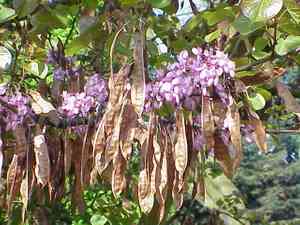
1
Judas trees endure some shade but thrive most in ample sunlight.
2
Confirm your Judas tree gets a minimum of 6 hours of direct sun each day for peak development.
3
Trimming and light-reflecting ground cover can enhance light access in crowded planting zones.
What are the Illumination Needs for the Judas tree?
Abundant Sun Exposure
The Judas tree flourishes in ample sun, meaning it should get at least six hours of direct daylight daily. Full sun aids the tree in producing vibrant blossoms and robust foliage. When planting your Judas tree, select a site not overshadowed by taller plants or buildings to ensure sufficient light.
Partial Shade Tolerance
While the Judas tree prefers full sun, it can endure partial shade. If your garden has areas with mixed sun and shade, this tree can still develop, though possibly less vigorously. Partial shade might be necessary in hotter climates where afternoon shade can shield the tree from intense heat.
Seasonal Light Fluctuations
The amount of daylight changes with the seasons, and it's important to consider how these shifts will impact your Judas tree. In winter, with shorter days and less intense sunlight, the tree's growth may slow. To compensate, ensure the tree receives ample light during the spring and summer growing season.
Optimal Sites for Planting the Judas tree
Ideal Garden Positions
The best places for planting a Judas tree are open garden areas that receive abundant sunlight. Consider positioning them where they can serve as a focal point during flowering. Ensure these spots are well-drained and offer some protection from strong gusts.
Urban Environments
In urban settings, the Judas tree can be a lovely addition to parks, streetscapes, or small yards. Urban areas can provide good sun exposure due to wider spaces between structures. Additionally, the Judas tree is quite tolerant of pollution, making it suitable for city conditions.
Balconies and Terraces
For those with limited space, the Judas tree can be cultivated in large containers on balconies or patios. Choose a location that gets plenty of sun and reposition the pots to follow the sun if needed. The portability of pots can help you manage light conditions more effectively.
Indicators of Insufficient Sunlight for the Judas tree
Symptoms of Too Little Light
When the Judas tree doesn't receive enough light, you might observe its leaves becoming pale or yellow. Growth may become elongated, and the tree might produce fewer flowers. These signs suggest a need to adjust the tree's light exposure.
Effects of Excessive Shading
Too much shade can lead to poor development and weak branching. The tree may appear sparse and struggle to maintain its overall health. It is vital to ensure your Judas tree is not overcrowded by other plants or structures, which could block essential sunlight.
Modifying Sunlight Exposure for Peak Growth
Pruning for Enhanced Light Penetration
An effective method to boost sunlight exposure is by regularly pruning the Judas tree. This helps light reach deeper into the canopy, illuminating all parts of the tree. Focus on removing any dead or overly dense branches, especially those obstructing light from the tree's center.
Utilizing Reflective Ground Cover
Reflective mulch, such as white gravel or aluminum-coated materials, can help redirect sunlight onto the lower sections of the tree. This improves light availability, particularly in areas where direct sunlight might be limited due to seasonal changes or partial shading.
Relocating the Specimen
If your Judas tree is struggling despite your best efforts, you might consider moving it to a sunnier location. This could involve transplanting the tree to a different part of your garden or even moving potted trees to areas with better sunlight. Ensure the new spot meets all other growing requirements as well.



