How Much Sunlight Do Parlor palm Need?
1
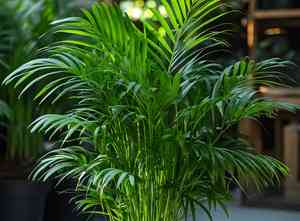
Parlor palms prosper with moderate light exposure, preferably receiving 3-6 hours of diffused daylight each day.
2
While this species can endure low-light environments, its growth and vitality may be compromised.
3
Varying light levels throughout the year contributes to the ongoing wellness of your Parlor palm.
Optimal Illumination for Parlor Palms
Preferred Light Exposure
The Parlor palm thrives in shaded conditions, performing best in partial sun. It benefits from approximately 3-6 hours of indirect light daily. Morning light is typically gentler and more advantageous than the strong afternoon sun. Positioning your Parlor palm near a window facing north or east can provide ideal light exposure.
Preventing Direct Sun Exposure
While Parlor palms appreciate bright, indirect illumination, they should be shielded from direct sunlight, particularly during the peak heat of the day. Direct sun exposure can scorch its delicate leaves, causing them to become brown and brittle. If your plant is situated near a window receiving intense afternoon sun, consider moving it back a few feet or employing a sheer curtain to soften the light.
Indoor Placement for Best Lighting
Ideal Home Locations
Selecting the appropriate spot for your Parlor palm within your home is crucial. Ideally, place it in a well-lit room where it can receive indirect sunlight for several hours each day. Suitable locations include near an east-facing window or in a north-facing room that maintains moderate brightness throughout the day. Avoid areas with harsh, direct sunlight or overly dark corners where the plant may struggle to receive adequate light.
Utilizing Sheer Drapes
Sheer drapes are an excellent method for regulating the light exposure your Parlor palm receives. They filter and soften direct sunlight, mimicking the dappled light found under a forest canopy, which Parlor palms adore. Position the plant close to the window and draw the sheer curtains to create an optimal light environment. This technique is especially useful during warmer months when sunlight is more intense.
Indicators of Parlor Palm Light Needs
Symptoms of Excessive Sunlight
If your Parlor palm is getting too much sun, you'll observe its fronds beginning to brown and crisp at their edges. This is a result of sunburn from intense direct light. Additionally, the potting medium may dry out more rapidly than usual, necessitating more frequent watering. Relocate the plant to an area with filtered light to resolve these problems.
Signs of Insufficient Light
Conversely, if your Parlor palm isn't receiving enough light, you might notice its fronds becoming pale or yellow, and the plant may become leggy, stretching towards the closest light source. Growth could also significantly slow down. Move the plant to a brighter spot, avoiding direct sunlight, to help it regain its vitality and health.
Seasonal Light Adjustments
Winter Light Modifications
During winter, natural light levels indoors decrease, which can impact your Parlor palm. Move your plant closer to a window to ensure it continues to receive sufficient light. As the sun is weaker, the risk of damage from direct sunlight is reduced. You might also consider using supplemental artificial grow lights if natural light is inadequate.
Summer Sunlight Management
In summer, sunlight is more powerful, and your Parlor palm may require some protection to prevent sunburn. Employing sheer curtains to diffuse the light or moving the plant further from the window are effective strategies. Regularly check the plant’s soil moisture, as it will dry out quicker in higher temperatures, and adjust irrigation schedules accordingly.



