How Much Sunlight Do Desert willow Need?
1
Desert willow flourishes with more than 6 hours of direct sun each day.
2
Its ability to withstand some shade allows Desert willow to suit diverse garden environments.
3
Adequate sun exposure boosts blooming, development, and resistance to dry conditions.
Optimal Light Conditions for Desert Willow
Full Sun vs. Partial Shade
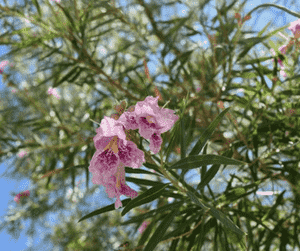
Regarding light exposure, the Desert willow is quite adaptable. While this robust plant thrives best in full sun, receiving over 6 hours of direct sunlight daily, it can also endure partial shade. Full sun is vital for peak growth and blooming, as it boosts the energy needed for its striking pink to violet flowers. Conversely, partial shade can be advantageous in extremely hot regions to prevent scorching. Thus, depending on your local climate, the Desert willow may suit your garden's light conditions.
Daily Sunlight Duration
For the Desert willow to flourish, it requires a consistent daily amount of sunlight. Aim for at least 6-8 hours of direct sun. This ensures the plant gets ample light energy for efficient photosynthesis. Insufficient sunlight can lead to poor flower production and slower development, diminishing its overall health and appearance. Monitoring the quantity and duration of light your Desert willow receives can greatly impact its vitality.
Advantages of Proper Sunlight for Desert Willow
Improved Flowering and Development
A key benefit of adequate sunlight is enhanced blooming. Desert willow with sufficient sun exposure will flower more profusely, producing its characteristic trumpet-shaped blossoms. These flowers not only add beauty but also attract pollinators, supporting the local ecosystem. Furthermore, sunlight stimulates overall growth, keeping the plant lush and vibrant throughout the growing season.
Increased Drought Resistance
Another significant advantage of proper sunlight is improved drought tolerance. The Desert willow is naturally drought-resistant, but ample sunlight helps reinforce this trait. Sunlight promotes robust root development, allowing the plant to access deeper water reserves during dry periods. This characteristic makes the Desert willow an excellent choice for gardens in arid or semi-arid areas.
Enhanced Pest and Disease Immunity
Appropriate sunlight exposure also strengthens the Desert willow's resistance to pests and diseases. Sunlight boosts the plant's immune system, making it less vulnerable to common issues like fungal infections or insect infestations. A well-lit environment ensures the plant stays healthy, reducing the need for chemical pesticides and interventions.
Ensuring Adequate Sunlight for Your Desert Willow
Selecting the Right Planting Spot
Choosing the correct location is essential for meeting the Desert willow's light requirements. Pick an open area in your garden where the plant can receive uninterrupted sunlight for most of the day. Avoid spots shaded by tall structures or other large plants that might block light. The southern or western parts of your garden are typically ideal for planting a Desert willow.
Removing Sunlight Obstructions
Ensure no physical barriers obstruct sunlight. Prune nearby trees or shrubs that might cast shadows on your Desert willow. Also, consider the sun's seasonal path. Be mindful of structures like fences or garden furniture that could block sunlight at various times of the day and year.
Seasonal Light Fluctuations
Remember that sunlight availability changes with the seasons. Although the Desert willow is quite hardy, it's important to be aware of these shifts. During shorter winter days, the plant may receive less sunlight, which could temporarily affect its growth. In such cases, ensuring the plant is well-established and healthy year-round can help it cope with seasonal variations effectively.
Potential Sunlight-Related Issues for Desert Willow
Signs of Light Deprivation
Recognizing signs of insufficient sunlight is crucial for maintaining a healthy Desert willow. If your plant shows stunted growth, fewer flowers, or pale leaves, it might be suffering from a lack of light. Regularly observe your plant and adjust its placement if needed to ensure it gets the necessary light.
Effects of Excessive Sunlight
While Desert willow loves sun, too much direct sunlight, especially in very hot climates, can cause problems like leaf scorch. Watch for signs of overexposure, such as brown, crispy leaf edges. If this occurs, consider providing temporary shade during the hottest part of the day or increasing watering to help the plant manage intense sunlight.
Alleviating Sunlight Stress
To reduce sunlight stress, ensure your Desert willow is well-watered, particularly during extended dry spells. Mulching around the base can help retain soil moisture and regulate soil temperature. Additionally, consider placing your plant in areas that receive morning sun and afternoon shade in extremely hot regions to balance light exposure.



