How Much Sunlight Do Bleeding-heart vine Need?
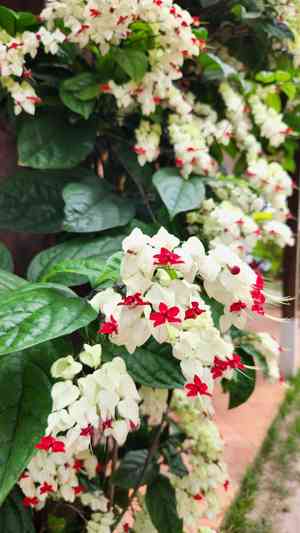
1
For optimal health, the Bleeding-heart vine requires 4-6 hours of diffused light each day.
2
Direct, intense sunlight can cause scorching on Bleeding-heart vine leaves.
3
To ensure steady illumination for indoor Bleeding-heart vines, consider employing supplemental grow lights.
Optimal Sunlight Conditions for Bleeding-heart vine
Direct Sun vs. Filtered Light
The Bleeding-heart vine shows good adaptability to light conditions. While it can endure some direct sun, it thrives best in a partially shaded environment. This means it can handle full sun for a few hours but performs optimally when shielded from intense midday rays. Ideally, this vine needs about 4-6 hours of daylight daily. Exposure to morning or late afternoon sun is preferable to avoid leaf scorching.
Importance of Diffused Light
Diffused light is vital for the well-being and development of the Bleeding-heart vine. This light type emulates the natural environment of its tropical origin, where sunbeams are often filtered by larger tree canopies. Providing indirect light enables your vine to photosynthesize effectively without risking damage from strong solar radiation. You can achieve indirect light by placing your plant near east or west-facing windows to benefit from gentler morning or evening sunlight.
Understanding Light Strength
Light strength is a critical element in establishing the proper setting for your Bleeding-heart vine. In gardening terms, light strength refers to how bright the light reaching your plant is. For the Bleeding-heart vine, medium to bright indirect light is perfect. If gauging light strength is difficult, a simple guideline is to observe the shadows cast by the plant. A soft shadow with blurred edges indicates suitable light intensity, whereas sharp, dark shadows might suggest excessive direct sunlight.
Consequences of Inadequate Sunlight on Bleeding-heart vine
Indicators of Excessive Sun
Exposing the Bleeding-heart vine to too much direct sunlight can result in several harmful effects. A common sign is scorched leaves, appearing as yellow or brown spots on the foliage. Furthermore, intense sun can cause leaves to become dry and brittle, leading to premature shedding. To counteract this, try relocating your vine to a spot with filtered light or adding a sheer curtain to diffuse the sunlight.
Signs of Insufficient Light
Conversely, a lack of light can also negatively impact your Bleeding-heart vine. Without enough sunlight, the plant might display stunted development, elongated stems, and pale or yellowing leaves. Bloom production may also decrease, resulting in fewer and smaller flowers. Achieving the correct balance between light and shade is essential to keep your plant healthy and vibrant.
Remedial Actions
If your Bleeding-heart vine shows signs of light-related stress, several remedies are available. For plants getting too much sun, move them to a more shaded location or provide extra shading during peak sunlight hours. If your vine isn't receiving enough light, consider relocating it to a brighter spot or supplementing natural light with artificial grow lamps. Gradually adjusting your plant's position over a few days helps it adapt to new light conditions without stress.
Seasonal Sunlight Requirements for Bleeding-heart vine
Spring and Summer Light Needs
During the spring and summer months, the Bleeding-heart vine experiences its most vigorous growth period. To support this growth, it requires consistent access to moderate to bright indirect light. Early morning or late afternoon sun is especially beneficial during this time, aiding the plant in developing strong stems and abundant foliage. Ensure your vine is shielded from the intense midday sun to prevent leaf scorching.
Fall and Winter Light Adjustments
As fall and winter approach, the natural light available to your Bleeding-heart vine will diminish. During these months, it's crucial to adapt the plant's light exposure to compensate for shorter daylight hours. Moving your vine to a south-facing window can help maximize available light. Additionally, think about using artificial grow lights to supplement natural light and maintain consistent exposure, ensuring your plant remains healthy throughout the year.
Optimizing Indoor Light for Bleeding-heart vine
Best Indoor Placement
Finding the ideal indoor spot for your Bleeding-heart vine is crucial for ensuring it gets adequate light. Excellent locations include east or west-facing windows, where the plant can enjoy gentle morning or evening light. If you choose a south-facing window, be mindful of direct midday sun and consider using sheer curtains to filter the light. Ensuring the vine isn't too far from the window also helps it receive sufficient indirect light.
Utilizing Supplemental Grow Lights
Supplemental grow lights can be an excellent method for maintaining consistent indoor light exposure, especially during darker months. LED grow lights are energy-efficient and can be adjusted to provide the specific light spectrum that the Bleeding-heart vine needs for photosynthesis. Position the grow lights approximately 30-45 cm (12-18 inches) above the plant and leave them on for 12-14 hours a day to simulate natural daylight conditions.
Ensuring Consistent Light Exposure
Consistency is paramount when it comes to lighting for the Bleeding-heart vine. Regularly rotating the plant can ensure uniform light distribution, encouraging balanced growth. Moreover, keeping the foliage clean and free of dust allows the leaves to absorb light more effectively. Monitoring your plant's response to light exposure and making necessary adjustments can help maintain its health and vitality year-round.



