How Much Sunlight Do Plains coreopsis Need?
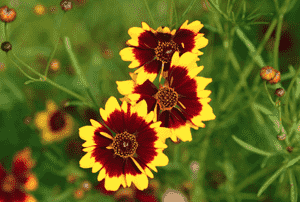
1
Plains coreopsis flourishes when exposed to abundant sunshine, needing over six hours of direct sunlight each day.
2
A lack of adequate light may result in reduced flowering and inhibited development.
3
Although Plains coreopsis can endure some shade, its peak performance is achieved under the brightest conditions.
Optimal Sunlight Requirements for Plains coreopsis
Understanding Full Sunlight
For prime development, Plains coreopsis flourishes in full sunlight. What exactly constitutes 'full sun'? Full sunlight indicates the plant receives uninterrupted sun exposure for at least six hours daily. This light is vital for photosynthesis, which fuels the plant's development and profuse flowering. Without it, Plains coreopsis may not reach its full potential.
Daily Sunlight Hours Needed
Plains coreopsis ideally requires over six hours of sun each day. Consistent light exposure ensures they develop sturdy stems, lush leaves, and abundant blossoms. Positioning them where they can soak in the morning sun until late afternoon is perfect. Remember, steadier sunlight leads to more prolific blooms.
Effects of Insufficient Sunlight on Plains coreopsis
Common Signs of Light Deficiency
When Plains coreopsis doesn't get enough sunlight, you'll observe several clear indicators. These include elongated, spindly stems as the plant reaches for available light. Additionally, the foliage might appear sparse and the overall plant structure weak. Flowering can also be greatly diminished, resulting in fewer and smaller blooms.
Long-term Impact on Growth and Blooming
Extended periods without sufficient sunlight can have detrimental effects on the long-term health of Plains coreopsis. With inadequate light, the plant's energy production decreases, impacting its overall vigor. Consequently, you might notice a reduction in flowering frequency and intensity, leading to a less vibrant garden display. Over time, the plant may become more vulnerable to diseases and pests.
Ideal Placement for Plains coreopsis in Your Garden
Choosing the Best Spot
To ensure your Plains coreopsis receives the sunlight it needs, consider planting them in an open, unshaded area of your garden. South-facing locations typically get the most sun throughout the day. Avoid spots frequently shadowed by trees, buildings, or large shrubs. By providing a location with ample sun exposure, you enable your Plains coreopsis to flourish and display their full color and vibrancy.
Adjusting for Seasonal Changes
Different seasons can influence the amount of sunlight your garden receives. During summer, the sun is higher, providing more direct light. In contrast, winter months bring shorter days and lower sunlight angles. If you live in an area with significant seasonal variation, consider planting your Plains coreopsis where they will get the maximum possible sunlight throughout the year. Utilizing container gardening can be a practical approach for adjusting plant location.
Can Plains coreopsis Tolerate Partial Shade?
Understanding Partial Shade Tolerance
While Plains coreopsis is known for its preference for full sun, it can withstand partial shade conditions. Partial shade implies the plant receives some direct sunlight mixed with periods of shade, typically equating to 3-6 hours of sun daily. If you garden in an area with limited light, Plains coreopsis may still survive, though it might not bloom as abundantly.
Balancing Sun and Shade
Achieving a balance between sun and shade can be challenging, but it's manageable. If you must plant your Plains coreopsis in a partially shaded area, ensure it receives morning sunshine, which is generally less intense than afternoon sun. Morning light combined with some midday shade can help the plant conserve moisture while still getting adequate light for photosynthesis. Just remember, the more consistent the sunlight, the happier and more vibrant your Plains coreopsis will be.



