How Much Sunlight Do Pagoda dogwood Need?
1
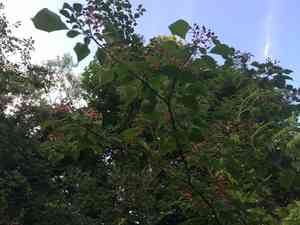
Pagoda dogwood flourishes optimally in dappled light, receiving approximately 3-6 hours of sun daily.
2
Morning light, being less harsh, is more advantageous for Pagoda dogwood than strong afternoon sun.
3
Scorched leaves may signal that your Pagoda dogwood is getting excessive direct sun exposure.
Optimal Light Conditions for the Pagoda dogwood
Partial Shade Requirements
The Pagoda dogwood, with its graceful tiered branches and attractive blooms, flourishes in conditions of partial shade. This means it ideally receives approximately 3 to 6 hours of daily sunlight. Full sun exposure may be overly intense for this plant, potentially causing leaf burn and other symptoms of stress. Placing it where it gets filtered sunlight beneath taller trees or shrubs can create ideal growing circumstances.
Morning Sun vs. Afternoon Sun
For the Pagoda dogwood, the timing of sun exposure is critical. Morning sun is generally milder and can help reduce the risks of leaf scorching and dehydration. It's best to site your Pagoda dogwood where it can absorb the softer morning rays while being protected from the stronger afternoon sun. This ensures the plant's best growth and vitality.
Recognizing Appropriate Sun Exposure for Pagoda dogwood
Indicators of Excessive Sun
Too much direct sunlight can be harmful to the Pagoda dogwood. Watch for signs such as browned leaf edges, yellowing foliage, or an overall unhealthy appearance. If your Pagoda dogwood displays these symptoms, it might be getting too much direct sun, especially during the warmest parts of the day.
Indicators of Insufficient Sun
Conversely, too little sunlight can negatively impact your Pagoda dogwood's health. Signs of inadequate light include sparse leaves, stunted development, and a lack of blossoms. Achieving a balance is vital for the plant's overall growth and visual appeal.
Adjusting Plant Location
If you notice signs of stress due to improper sunlight, consider relocating your Pagoda dogwood. If it's receiving too much sun, moving it to a shadier spot or providing some overhead cover can help. Conversely, if it's not getting enough light, try moving it to an area that receives more morning sun.
Consequences of Overexposure to Sun for a Pagoda dogwood
Leaf Scorch and Damage
Excessive sunlight can lead to leaf scorch, characterized by the browning and drying of leaf margins. This scorching is not only unattractive but also signifies cellular harm from heat stress. Regular observation and repositioning the plant as needed can prevent leaf scorch.
Water Stress Indicators
Too much sun often results in water stress for the Pagoda dogwood. This is evident through wilting, yellowing leaves, and a generally drooping look. Ensure consistent watering practices and consider mulching to help retain soil moisture.
Recommended Planting Sites for Pagoda dogwood
Best Garden Positions
The most suitable locations for planting your Pagoda dogwood are those that offer partial shade. Ideal spots include the east or north side of a structure where the tree can receive morning sunlight and be shielded from the harsh afternoon sun. These positions mimic the plant's natural understory habitat.
Ideal Planting Companions
Pairing your Pagoda dogwood with other shade-loving plants can improve its environment. Good companions include hostas, ferns, and hydrangeas. These plants not only enhance aesthetic appeal but also create a micro-ecosystem that aids in moisture retention and provides shade.
Seasonal Light Considerations for Pagoda dogwood
Spring and Summer Light Needs
During spring and summer, the Pagoda dogwood will benefit from the partial shade provided by taller trees or structures. Morning light during these seasons can encourage healthy growth and flowering. Ensure adequate watering as higher temperatures can lead to faster soil drying.
Fall and Winter Light Adjustments
In fall and winter, sunlight intensity decreases. While the Pagoda dogwood requires less light during these dormant periods, positioning it to receive as much available sunlight can be beneficial. It's advisable to reduce watering during colder months to prevent root rot as the plant's water absorption lessens.



