How Much Sunlight Do Flowering dogwood Need?
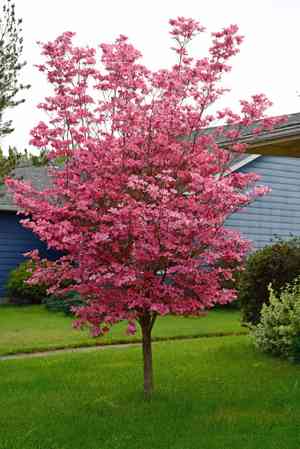
1
Flowering dogwood flourishes with approximately 3-6 hours of sun each day.
2
Full sun and partial shade are both acceptable for Flowering dogwood, though morning sun followed by afternoon shade is ideal.
3
Incorrect light exposure can negatively impact blooming, vitality, and general development.
Grasping Flowering Dogwood Illumination Needs
Optimal Light Conditions for Flowering Dogwood
Flowering dogwood trees flourish best in locations receiving moderate light. They thrive with approximately 3-6 hours of direct sun daily, typically indicating partial sun. While they can endure full sun, especially in northern, cooler climates, it's often preferable to provide morning sun followed by afternoon shade. This strategy helps mitigate the harshness of intense afternoon sun, particularly in warmer regions.
Seasonal Impact on Sunlight Requirements
Seasonal changes significantly influence the sunlight Flowering dogwood trees receive. During spring and early summer, increased light promotes the tree's blooming phase, resulting in abundant, beautiful flowers. However, in mid-summer, excessive heat and sun exposure can stress the tree, making morning sun and afternoon shade even more vital. Conversely, in autumn and winter, reduced light is generally not an issue as the trees enter dormancy.
Comparing Full Sun and Partial Shade for Flowering Dogwood
While Flowering dogwood trees can adapt to both full sun and partial shade, they generally perform optimally in partial shade. Full sun can heighten water evaporation and stress, necessitating more irrigation and care, especially in hotter areas. Conversely, excessive shade might limit their flowering potential and overall development. Thus, a balanced approach, where the tree enjoys ample morning sun and protective afternoon shade, ensures peak health and visual appeal.
Ideal Planting Sites for Flowering Dogwood
Evaluating Your Garden's Light Patterns
Before planting your Flowering dogwood, it's crucial to assess the sunlight patterns in various garden areas. Observe which spots receive the most morning sun and which provide afternoon shade. Remember that structures, other trees, and buildings can create shaded zones that might be perfect for Flowering dogwood. Mapping these light patterns will aid in selecting the best location.
Tips for Optimal Plant Placement
When choosing a site for your Flowering dogwood, consider placing it where it can get sufficient morning sunlight for energy and blooming, while also benefiting from afternoon shade to prevent overheating. For instance, planting on the eastern side of your home or garden can offer an ideal environment. Additionally, ensuring well-draining, enriched soil will support superior growth and vitality.
Common Errors to Avoid
Avoid situating your Flowering dogwood in areas with relentless midday and afternoon sun, unless you are in cooler regions where this might be less intense. Also, steer clear of excessively shaded spots which could hinder the tree's ability to flourish and bloom properly. Another frequent mistake is failing to account for mature sizeâensure adequate space for the tree to grow both above and below ground.
Indicators of Improper Sunlight Exposure
Symptoms of Insufficient Sunlight
When a Flowering dogwood lacks adequate sunlight, you might observe the tree becoming leggy or sparse, with stunted growth and fewer blossoms. The leaves may also darken in color and lose their vibrancy. These signs indicate the plant is reaching for available light and not achieving its full potential for flowering and health.
Symptoms of Overexposure to Sunlight
Conversely, too much sunlight can cause sunscald on leaves, leading them to scorch and develop brown, brittle edges. The tree might also exhibit wilting, even with sufficient watering, and its overall vigor can decline. Early identification of these symptoms allows for corrective action to safeguard your tree.
Adjusting Sunlight for Established Flowering Dogwood Trees
Pruning to Enhance Light Penetration
For established Flowering dogwood trees struggling due to dense canopy or nearby shade, strategic pruning can improve light penetration. Removing dead or overcrowded branches allows more sunlight to reach the tree's interior, fostering better growth and flowering.
Utilizing Shade Cloths and Other Methods
In situations where relocating the tree isn't feasible, employing shade cloths can effectively manage sunlight exposure, especially during the hottest parts of the day. These cloths can help diffuse intense sunlight, reducing stress on the tree. Additionally, consider mulching around the tree's base to retain moisture and shield roots from extreme temperatures.



