How Much Sunlight Do Pampas grass Need?
1
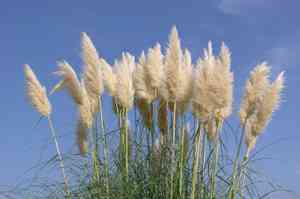
Pampas grass flourishes most effectively under full sun exposure, requiring a minimum of 6 hours of direct solar radiation daily.
2
Although Pampas grass endures partial shade, its maximal opulent growth won't be achieved without sufficient illumination.
3
Noticing a change in leaf color or stunted development may signal that your Pampas grass is receiving inadequate sunlight.
Optimal Light Conditions for Pampas Grass
Requirement for Full Sun
For your Pampas grass to achieve its best growth, it should be situated where it receives at least 6 to 8 hours of direct daylight daily. This species flourishes in abundant sunlight, which encourages robust development and the emergence of its characteristic plumes. Full sun indicates uninterrupted solar exposure for most of the day. This is particularly important for young plants as they establish their root systems.
Tolerance for Partial Sun
Pampas grass can withstand partial sun, meaning it typically gets 3 to 6 hours of direct solar exposure daily. While it can still grow under these conditions, you might observe less vigorous growth or fewer flowers compared to full sun. If your garden or yard has areas with partial shade at certain times of the day, Pampas grass can still be a suitable option, provided it receives the maximum possible sunlight.
How to Guarantee Adequate Sunlight for Pampas Grass
Site Selection Recommendations
Selecting the correct location is crucial for ensuring your Pampas grass receives sufficient sunlight. Look for an open space with minimal obstructions from buildings, trees, or other structures. Ideally, a south-facing position is best, as this offers the longest duration of sunlight throughout the day. Also, consider the growth of nearby plants; taller specimens could shade your Pampas grass, reducing its sun exposure.
Avoiding Shaded Locations
Heavily shaded areas are unsuitable for Pampas grass, as insufficient light can lead to poor development and fewer blooms. Do not plant in spots that are predominantly shaded all day or only receive morning or evening sun. If your garden contains large structures or foliage that cast long shadows, it is essential to evaluate the sun patterns before choosing a planting site.
Consequences of Too Much or Too Little Sun for Pampas Grass
Indicators of Excessive Exposure
Although Pampas grass thrives in sun, extreme exposure, especially during intense summer months and dry climates, can sometimes induce stress. Symptoms of overexposure include scorched foliage, brown leaf tips, and a general burnt appearance. To alleviate this, providing occasional irrigation during heatwaves can help the plant cope with the excessive warmth more effectively.
Impacts of Insufficient Light
Inadequate sunlight can have more significant adverse effects on Pampas grass. These include stunted development, spindly and elongated stems, reduced plume production, and poor overall health. Leaves may also appear paler or yellowish due to decreased photosynthesis. If you notice any of these signs, consider relocating your plant to a brighter spot.
Seasonal Sunlight Requirements for Pampas Grass
Summer Light Needs
During summer, Pampas grass flourishes with extended daylight hours. Ensure it gets consistent full sun to support its rapid growth phase and flower development. Due to intense sun, monitoring soil moisture levels is critical, watering more frequently if necessary to prevent drought stress.
Winter Light Adjustments
In winter, sunlight is less intense, and days are shorter. While Pampas grass enters a semi-dormant state during this season, ensuring it still receives as much light as possible is beneficial. Clear away any fallen leaves or debris that might block sunlight from reaching the plant. If potted, consider moving them to a location with maximum winter sun exposure.



