How Much Sunlight Do American hazelnut Need?
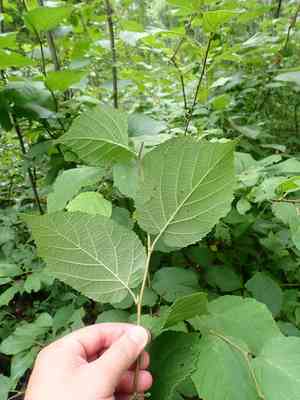
1
The American hazelnut flourishes in both ample sunlight (over 6 hours daily) and partial shade (3-6 hours daily).
2
Sufficient light exposure is vital for robust development and peak nut yield in American hazelnut.
3
Strategic positioning and consistent trimming help guarantee your American hazelnut gets enough sun.
Optimal Sunlight Conditions for American hazelnut
Full Sun Requirements
The American hazelnut thrives best when cultivated in full sunlight. Full sun exposure means the plant should receive a minimum of six hours of direct sunlight daily. This level of exposure is crucial for robust growth, abundant foliage, and prolific nut yield. When situated in full sun, American hazelnut can develop a strong, healthy root system, enabling it to endure various environmental stressors. Gardeners aiming for peak growth should provide their American hazelnut ample space to capture maximum sunlight. Avoid crowded areas and ensure minimal competition from taller plants or structures that could cast shadows.
Partial Shade Tolerance
While American hazelnut prefers full sunlight, it exhibits remarkable adaptability and can flourish in partial shade, receiving approximately 3-6 hours of direct sunlight per day. In partially shaded environments, the plant will still grow well but may produce fewer nuts compared to those in full sun. Situations that might necessitate partial shade include regions with extremely hot summers, where some afternoon shade can shield the plant from scorching. Additionally, newly transplanted American hazelnut plants or those in areas with intense midday sun may benefit from some shade to prevent leaf burn.
How Much Direct Sunlight is Ideal for American hazelnut?
Daily Sunlight Duration
For optimal growth, ensuring your American hazelnut receives at least 6-8 hours of sunlight daily is ideal. Consistent sunlight exposure during the growing season allows the plant to perform photosynthesis effectively, leading to vigorous growth. In many U.S. regions, summer months offer ample daylight for this requirement. Therefore, strategic planting in areas that receive steady sunlight during these periods can be advantageous. Monitoring daily sunlight exposure can help adjust the plant's placement if you notice insufficient light levels.
Seasonal Variations
Seasonal changes significantly impact sunlight availability and intensity, affecting the American hazelnut. In spring and summer, the plant typically gets abundant sunlight as days are longer. However, in fall and winter, the duration and angle of sunlight decrease. During these seasons, the American hazelnut may benefit from being planted in more south-facing locations to maximize winter sunlight. Additionally, as the plant enters dormancy in winter, it requires less light, but positioning it for optimal spring sunlight is advisable.
The Importance of Sunlight for American hazelnut Growth
Photosynthesis and Plant Health
Sunlight is crucial for the American hazelnut's photosynthesisâthe process by which plants convert light energy into chemical energy to fuel their growth. With adequate sunlight, American hazelnut can produce vital nutrients, ensuring healthy foliage, strong stems, and efficient water use. Proper sunlight exposure directly impacts the plant's overall health, making it more resistant to pests and diseases. Moreover, healthy photosynthesis ensures continuous energy production, essential for nut development.
Impact on Nut Production
A well-lit American hazelnut plant is more likely to yield an abundant nut harvest. Sunlight plays a critical role in flowering and subsequent nut formation. Plants exposed to full sunlight generally exhibit better bloom quality and a more significant nut set and size. Insufficient sunlight, conversely, can impede these processes, leading to poor nut production and lower yields. Therefore, ensuring proper sunlight can directly influence the quantity and quality of your American hazelnut harvest.
How to Identify Sunlight-Related Problems in American hazelnut
Signs of Too Much Sun
American hazelnut plants exposed to excessively intense sunlight may show signs of sunburn, including scorched or browning leaves, leaf wilting, and a generally stressed appearance. While full sun is ideal, extreme heat, particularly in southern regions, can cause these symptoms. If you observe such signs, consider providing afternoon shade or increasing watering to help the plant cope with high temperatures. Additionally, mulching around the plant base can help retain soil moisture and keep roots cool.
Signs of Insufficient Sun
Conversely, inadequate sunlight can lead to stunted growth, leggy or etiolated stems (where the plant stretches towards light), and reduced nut production. Leaves might appear pale or yellow due to insufficient chlorophyll development. If your American hazelnut exhibits these symptoms, evaluate the plant's location and consider moving it to a sunnier spot or trimming back nearby plants or structures that might be blocking its light source. Regularly monitoring these conditions can help ensure optimal sunlight exposure year-round.
Tips for Ensuring Proper Sunlight Exposure for American hazelnut
Strategic Planting Locations
Choosing the correct planting location is vital for maintaining adequate sunlight exposure for your American hazelnut. Aim to plant in open areas that receive unobstructed sunlight for most of the day. Avoid placing it near tall buildings, fences, or large trees that might cast long shadows. A southern or western facing position in your garden can typically provide ample sunlight. Remember, a thoughtful location choice during planting can prevent significant sunlight issues in the future.
Pruning and Canopy Management
Regular pruning helps manage the plant's shape and ensures sunlight penetrates the inner branches and lower foliage. For American hazelnut, pruning during late winter or early spring before new growth begins can keep the canopy open and less dense. Removing excessive or crossing branches promotes better air circulation and light distribution throughout the plant. Strategic pruning strategies can prevent the formation of dense, shaded areas within the plant, fostering a balanced growth environment.



