How Much Sunlight Do New Zealand laurel Need?
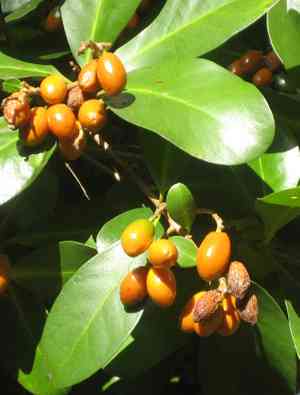
1
New Zealand laurel flourishes optimally with a minimum of 6 hours of direct sun each day.
2
Observe your New Zealand laurel's foliage; it offers insights into its light requirements.
3
If cultivated indoors, augment natural illumination with supplemental grow lights for peak development.
Optimal Illumination Requirements for New Zealand Laurel
Does New Zealand Laurel Prefer Full Sun or Partial Shade?
The New Zealand laurel is quite adaptable but has specific preferences regarding light. Ideally, this plant flourishes in full sun, meaning it benefits from over 6 hours of direct sunlight daily. However, it can endure partial shade, especially in the afternoon, which helps prevent leaf burn during the day's hottest periods.
Recommended Daily Sunlight Duration
For peak development, aim to provide your New Zealand laurel with at least 6-8 hours of direct sunlight each day. If your plant is situated where sunlight varies, ensure it receives adequate light by relocating it or using reflective materials to direct light to its foliage.
Seasonal Light Fluctuations
Seasonal shifts can impact the amount of sunlight your New Zealand laurel receives. During summer, the sun is higher, offering longer daylight hours. Conversely, in winter, daylight hours are shorter and less intense. You might need to move your plant or use supplemental lighting during these times to ensure consistent light exposure.
Impact of Light on New Zealand Laurel Health
Advantages of Sufficient Light
Sufficient light is vital for the health and vigor of your New Zealand laurel. Proper light exposure facilitates photosynthesis, promoting lush, healthy foliage and robust growth. Sunlight also aids in flowering and ensures the plant's overall aesthetic appeal and resistance to pests and diseases.
Indicators of Light Deprivation
If your New Zealand laurel isn't receiving enough light, you might observe several warning signs. The plant could exhibit slow growth, pale or yellowing leaves, and reduced foliage density. In severe cases, leaves may drop, and the plant could become more vulnerable to diseases and pests.
Symptoms of Excessive Light Exposure
While light is crucial, too much can be harmful. Excessive light exposure can cause leaf scorch, characterized by brown, crispy patches on the leaves. The leaves may also appear faded or bleached. To prevent such damage, consider providing partial shade during peak sunlight hours, especially in hot summer months.
Adjusting New Zealand Laurel to Various Light Conditions
How to Acclimate New Zealand Laurel to Different Light Levels
When moving your New Zealand laurel to a new light environment, do so gradually to prevent shock. Begin by placing the plant in a brighter spot for a few hours daily, slowly increasing this duration over several weeks. This acclimatization helps the plant adjust without suffering from light stress.
Utilizing Artificial Illumination
Artificial lighting can be an excellent substitute for natural sunlight, particularly in winter or in dimly lit indoor settings. LED grow lights are a popular choice due to their energy efficiency and ability to provide the full spectrum of light needed for photosynthesis. Position the lights about 30 cm (12 inches) above the plant, and ensure they are on for 12-16 hours a day to mimic natural daylight.
Optimizing Indoor Light Conditions
Balancing indoor light conditions can be challenging but achievable. Place your New Zealand laurel near a south or west-facing window to maximize natural daylight exposure. You can also use reflectors or place white or light-colored surfaces around the plant to help bounce and distribute light more evenly.



