How Much Sunlight Do Japanese red cedar Need?
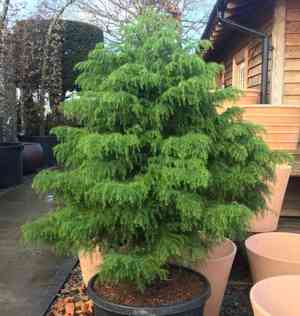
1
For optimal health, Japanese red cedar requires a minimum of six hours of direct sun each day.
2
While Japanese red cedar can endure some shade, full sun exposure encourages robust development.
3
If your Japanese red cedar exhibits yellowed leaves or thinning foliage, it may be receiving inadequate sunlight.
Optimal Illumination Requirements for Japanese Red Cedar
Ideal Daily Light Exposure
For prime development, the Japanese red cedar should receive direct sunshine for over six hours daily. This ensures the tree synthesizes enough energy through photosynthesis, leading to vigorous foliage and robust growth. Though it endures partial shade, full sun exposure yields superior outcomes.
Prime Planting Locations
When selecting a site to plant your Japanese red cedar, choose an area that receives abundant sunlight throughout the day. A south-facing position is frequently ideal, providing consistent solar exposure. Ensure the location offers good air circulation to deter fungal problems, particularly in high-humidity regions.
Seasonal Light Fluctuations
Understanding solar variations throughout the year is vital. During summer, with its longer days, the Japanese red cedar will flourish with increased light. Conversely, winter's shorter days mean less sun. Position the tree where it can still absorb the maximum possible sunlight during these shorter periods to sustain its vitality.
Indicators Your Japanese Red Cedar Needs More Light
Foliage Discoloration
A primary sign that your Japanese red cedar is not getting enough sunlight is the yellowing of its leaves. The foliage may lose its vibrant green hue and become yellow, indicating the plant is stressed due to insufficient light for photosynthesis.
Sparse Leaf Cover
Thin foliage is another symptom of inadequate sunlight. A thriving Japanese red cedar should possess dense, lush leaves. If you notice the leaves are sparse and branches lack fullness, consider moving the tree to a brighter location.
Restricted Development
Stunted development is a clear sign your tree requires more illumination. Insufficient sunlight can hinder the tree's growth rate, resulting in a smaller, less vigorous specimen. If your Japanese red cedar isn't growing as anticipated, it might be time to re-evaluate its sun exposure.
Methods to Ensure Adequate Sunlight
Full Sun vs. Partial Shade Planting
While Japanese red cedar tolerates partial shade, planting it in full sun is advisable for best growth. If full sun isn't possible, ensure the tree gets at least 4-6 hours of direct sunlight. Observe sun patterns in your garden to select the spot with the most prolonged exposure.
Utilizing Reflective Ground Cover
Reflective mulch is an excellent strategy to maximize the sunlight your Japanese red cedar receives. This type of covering directs sunlight to the lower sections of the tree, ensuring more even light distribution. Opt for a light-colored mulch for optimal effectiveness.
Developing a Year-Round Sunlight Strategy
Plan for changing seasonal light by situating your tree in a spot that will get consistent sunlight year-round. Consider trimming nearby trees or shrubs that might obstruct light during different seasons. A multi-season sunlight plan guarantees your Japanese red cedar receives its necessary light throughout the year.
Common Light-Related Problems and Solutions
Leaf Scorch
Excessive sun exposure can sometimes lead to scorched leaves, marked by brown or burnt patches. Providing some shade during peak midday sun can prevent this. Alternatively, mulching and consistent watering can help mitigate the effects of intense sunlight.
Fungal Proliferation from Excessive Shade
Too much shade can create a damp environment conducive to fungal growth. Ensure your Japanese red cedar receives ample sunlight and good air circulation to prevent fungal infections. Pruning branches to improve airflow can help maintain the tree's well-being.
Balancing Light Across Growth Stages
Different developmental phases of the Japanese red cedar require varying light levels. Young saplings may benefit from partial shade to prevent scorching, while mature trees flourish in full sun. Adjusting light exposure according to growth stages ensures your tree develops healthily.



