How Much Sunlight Do False heather Need?
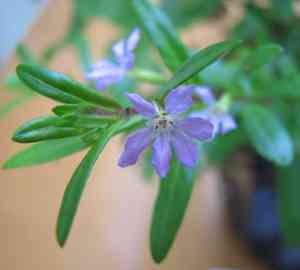
1
Cuphea hyssopifolia flourishes in bright sunlight, though it can endure some shade in warmer regions.
2
Ensure it receives a minimum of six hours of direct sun daily for best development.
3
Excessive sun exposure may burn foliage, whereas insufficient light can lead to stretched, weak stems.
What Are the Light Requirements for False heather?
Full Sun vs. Partial Shade
Regarding light exposure, False heather is quite adaptable. Ideally, this plant thrives in full sun, meaning it should receive direct sunlight for over 6 hours daily. However, in exceptionally warm regions, partial shade may be beneficial during the day's hottest period to prevent leaf burn. Partial shade indicates the plant gets direct sunlight for 3-6 hours daily, typically in the morning or late afternoon.
Optimal Daily Light Exposure
For peak performance, ensure your False heather receives at least 6 hours of direct sunlight every day. This exposure is vital for robust foliage development and vivid blooms. While the plant can endure partial shade, insufficient light can result in reduced flowering and a more elongated form. Therefore, select a garden spot that provides ample morning and early afternoon sun, transitioning to some shade if the afternoon sun becomes too intense.
Selecting the Best Garden Spot for False heather
Choosing the Right Location
Picking the ideal spot for your False heather is essential. Aim for a location that offers morning sun and some defense from intense afternoon heat, especially in warmer climates. Garden borders, south or west-facing walls, and patio containers are excellent options. Ensure the soil drains well to prevent waterlogged roots, which can negatively impact the plant's health.
Adapting to Seasonal Changes
Seasonal shifts can alter light exposure in your garden, so you might need to adjust your False heather's placement accordingly. In summer, consider moving the plant to a shadier area during peak afternoon hours to avoid leaf scorching. Conversely, during winter months, positioning the plant to receive maximum sunlight can help sustain its vitality and blooming cycle. Containers offer smart flexibility, allowing you to reposition the plant as seasons change.
Indicators Your False heather Is Receiving Too Much or Too Little Light
Signs of Excessive Light
If your False heather is exposed to too much direct sunlight, you might observe symptoms like scorched or brown-tipped leaves and wilting during the day's hottest part. This indicates the plant is getting more light than it can handle, particularly in very hot weather. If these signs appear, consider providing partial shade during the hottest hours or relocating the plant.
Signs of Insufficient Light
Conversely, inadequate sunlight can cause the plant to exhibit elongated stems and fewer, less vibrant flowers. This stretched growth suggests your False heather is reaching for light. If you notice these symptoms, try moving the plant to a sunnier location to encourage a more compact and healthier appearance.
How to Safeguard Your False heather from Extreme Light Conditions
Utilizing Shade Cloths and Sunscreens
During extremely hot weather, shielding your False heather from excessive sunlight can be crucial. Employ shade cloths or garden sunscreens to offer relief from the harsh midday sun. These can effectively filter sunlight, reducing its intensity and preventing potential leaf burn. Strategic placement of these covers will ensure your plant still receives adequate light while being protected from extremes.
Mulching and Soil Management
Mulching is an excellent method to protect your False heather from temperature and moisture fluctuations. Apply a layer of organic mulch, such as straw or wood chips, around the plant's base to retain soil moisture and regulate temperature. Proper soil care, including ensuring good drainage and avoiding waterlogged conditions, will also help the plant better cope with varying light conditions.



