How Much Sunlight Do Ivy-leaved cyclamen Need?
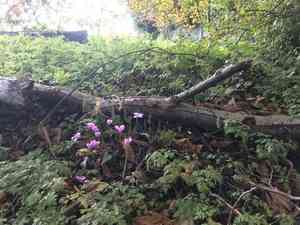
1
Provide your Ivy-leaved cyclamen with approximately 3-6 hours of daily sun exposure for best development.
2
Ivy-leaved cyclamen thrives in partial sun, though it can endure both complete shade and full sun.
3
Observe your plant for indications of insufficient or excessive light, like leaf discoloration or inhibited growth.
Grasping Ivy-leaved cyclamen Illumination Needs
Why Light is Vital for Ivy-leaved cyclamen
Light is a core component for the development and vigor of Ivy-leaved cyclamen. This element is crucial as it powers photosynthesis, the process where the plant transforms light energy into chemical energy. Without adequate light, Ivy-leaved cyclamen might show stunted development, leaf discoloration, and reduced flowering.
Photosynthesis in Ivy-leaved cyclamen
Photosynthesis is the essential process for plants, and Ivy-leaved cyclamen is no different. This mechanism involves chlorophyll in the plant's foliage capturing light energy, typically from the sun, and utilizing it to convert carbon dioxide and water into glucose and oxygen. For Ivy-leaved cyclamen, receiving sufficient light ensures it generates enough energy to flourish, produce lush leaves, and develop beautiful blossoms.
Optimal Light Conditions for Ivy-leaved cyclamen
Perfect Light Exposure for Robust Growth
For Ivy-leaved cyclamen to thrive, it needs a moderate amount of light. Ideally, providing around 3 to 6 hours of partial sunlight daily will ensure strong growth and vibrant blooms. Morning light is generally milder and more advantageous than harsh, direct afternoon rays. Ensure your plant is positioned where it can receive dappled or filtered light for the best outcomes.
Native Environment and Light Preferences
In its natural setting, Ivy-leaved cyclamen frequently grows beneath tree canopies, receiving filtered sunlight. This preference for dappled or partial light translates well to home cultivation. Replicating this natural environment by placing your plant in an area with indirect light or using sheer curtains to diffuse the light can create an ideal habitat for your Ivy-leaved cyclamen.
Best Practices for Supplying Light to Ivy-leaved cyclamen
Indoor vs. Outdoor Lighting
Deciding whether to cultivate Ivy-leaved cyclamen indoors or outdoors can significantly impact its light exposure. Indoors, position the plant near an east-facing window where it can absorb the gentle morning sun. Outdoors, locate a spot that offers partial shade throughout the day. Remember, intense midday sunlight can be too strong and may cause leaf scorching.
Seasonal Adjustments
As seasons shift, so should your approach to managing light for your Ivy-leaved cyclamen. In winter, indoor plants may benefit from supplemental grow lights to compensate for reduced natural light. During summer, consider moving outdoor plants to a shadier location if they are exposed to excessive direct sun. Monitoring seasonal light variations can help maintain the health and vitality of your Ivy-leaved cyclamen year-round.
Common Light Issues and Remedies for Ivy-leaved cyclamen
Indicators of Excessive Light
Too much sunlight can cause Ivy-leaved cyclamen leaves to burn and turn yellow or brown with brittle edges. If you observe these signs, it might mean your plant is getting too much direct light. Moving the plant to a spot with filtered sunlight or providing some shade can help alleviate this problem.
Indicators of Insufficient Light
Conversely, inadequate light can also be harmful. Signs of light deficiency include leggy growth, pale or yellow foliage, and a lack of flowers. If your Ivy-leaved cyclamen exhibits these symptoms, consider relocating it to a brighter area or supplementing with artificial illumination.
Solutions to Resolve Light Problems
To address light-related issues, first, determine if the problem is too much or too little light. For excessive light, use sheer curtains to soften sunlight or move the plant to a shadier spot. For insufficient light, place the plant closer to a light source or use grow lights to supplement natural light. Regularly observing and adjusting the plant's position can ensure optimal light conditions are maintained.



