How Much Sunlight Do Pink lady slipper Need?
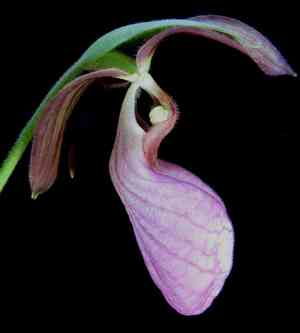
1
Pink lady slipper flourishes optimally with 3-6 hours of filtered sun each day.
2
Replicate the forest ground environment, its native setting, for peak development.
3
Observe changes in sunlight throughout the year to maintain steady light levels.
Optimal Illumination Requirements for Pink Lady Slipper
Preferred Light Levels
The Pink lady slipper, a lovely North American native orchid, thrives in partial sun. Ideally, it should receive approximately 3-6 hours of filtered or dappled sunlight daily. Direct sun can be overly harsh for this delicate plant, potentially causing leaf scorching.
Natural Environment and Light
In its native environment, the Pink lady slipper is frequently found on the forest floor, beneath a tree canopy. This setting provides it with filtered sunlight, which is softer and more diffused than direct sun. Replicating these conditions in your garden or indoor setup will promote healthy growth for your Pink lady slipper.
Seasonal Light Fluctuations
The amount of natural light can vary considerably with the seasons. During spring and summer, the Pink lady slipper benefits from extended daylight hours, but it's vital to ensure the light remains indirect. In autumn and winter, shorter days mean less light, so you might need to reposition it to guarantee adequate exposure.
Ensuring Optimal Sunlight for Pink Lady Slipper
Outdoor Planting Advice
When planting your Pink lady slipper outdoors, select a location offering partial shade. A spot beneath deciduous trees is ideal, as it will provide the necessary dappled sunlight. Ensure the soil is well-drained and enriched with organic matter, as these conditions mimic the plant's natural woodland habitat.
Indoor Cultivation Tips
Growing a Pink lady slipper indoors demands more attention to its lighting needs. Position the plant near a window where it can receive bright, indirect light. East or north-facing windows are typically best. If natural light is insufficient, consider using grow lights to supplement, but always avoid exposing the plant to direct rays.
Common Sunlight-Related Problems for Pink Lady Slipper
Indicators of Excessive Sunlight
Too much sunlight can cause the Pink lady slipper's leaves to scorch, turning brown or crispy at the edges. If you observe these signs, it's crucial to move the plant to a shadier location immediately to prevent further damage.
Indicators of Insufficient Sunlight
If your Pink lady slipper isn't receiving enough light, you might notice slow growth and poor blooming. The leaves could become dark green and elongated as the plant stretches toward the light source. Adjusting its position to increase light exposure can help alleviate these issues.
Modifying Sunlight Exposure for Pink Lady Slipper
Practical Steps to Adjust Light Exposure
To modify the light exposure for your Pink lady slipper, begin by observing its current location and light levels. You can use a light meter to gauge light intensity. If needed, move the plant to a spot with more suitable light conditions, ensuring it aligns with the plant's preference for filtered light.
Utilizing Shade Cloths and Placement
Shade cloths are an excellent tool for controlling light exposure for outdoor Pink lady slipper plants. These cloths create a barrier against intense sunlight while still allowing sufficient light for photosynthesis. For indoor plants, consider using sheer curtains to diffuse direct sunlight. Proper placement near appropriate windows can also effectively manage light levels.



