How Much Sunlight Do Cheddar pink Need?
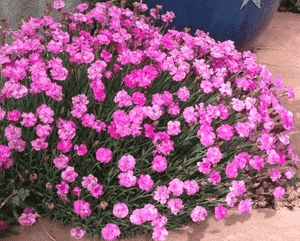
1
Cheddar pink flourishes optimally with over 6 hours of direct sun each day.
2
Some shade is acceptable, though not ideal for peak flowering.
3
Strategic garden placement and reflective elements can enhance sun exposure for Cheddar pink.
Cheddar Pink Light Requirements Explained
Ideal Sun Exposure for Cheddar Pink
Cheddar pink, a charming and vibrant flowering plant, thrives best in full sun, receiving at least 6 hours daily. Ample sunlight promotes robust stems, vivid blooms, and lush foliage. For the most abundant flowers, sufficient light is essential. While Cheddar pink can tolerate partial sun, its growth may not be as vigorous as plants in full sun.
Evaluating Your Garden's Light Conditions
To ensure your Cheddar pink receives adequate sunlight, assess the sun exposure in your garden. Observe your chosen planting area at various times of day. Note where direct sunlight falls and its duration. You can utilize sun calculators or simply log sun patterns. Prioritize locations with consistent, unobstructed sun for optimal plant development.
Optimizing Cheddar Pink Placement for Sunlight
Prime Garden Locations
Choosing the best spot for your Cheddar pink hinges on sunlight availability. South-facing garden areas typically get the most sun throughout the day, making them perfect. Ensure no large trees or structures block the light. Raised beds can also be advantageous, often receiving more direct sunlight than ground-level spots.
Utilizing Reflective Materials
Employing reflective surfaces is a smart method to boost sunlight for plants like Cheddar pink. Placing reflective items, such as white-painted walls or reflective garden mulch, can direct extra light onto plants, especially in partly shaded areas. This strategy is particularly useful in gardens with limited direct sun, providing your Cheddar pink with much-needed additional light.
Managing Excessive Sunlight for Cheddar Pink
Signs of Sun Damage in Cheddar Pink
Though Cheddar pink loves sun, too much can be harmful. Sunburn indicators include bleached or scorched leaves and wilting despite proper watering. If these symptoms appear, immediate action to protect your plants is crucial.
Providing Shade
Offering shade can safeguard Cheddar pink from intense sunlight. You can use garden umbrellas, shade cloths, or strategically placed taller plants to offer temporary relief during the hottest part of the day, usually the afternoon. This prevents sunburn and helps your plants stay healthy in stronger sun conditions.
Seasonal Light Changes and Cheddar Pink
Adapting for Winter Months
During winter, sunlight diminishes. Ensuring your Cheddar pink still gets enough light requires adjustments. If your garden area is shaded in winter, consider moving pots or containers to brighter locations. Alternatively, use supplemental lighting like grow lights to simulate natural sunlight during shorter days.
Maximizing Summer Sunlight
Summer offers abundant sunlight, but also peak intensity. While Cheddar pink needs plenty of light, ensure they are well-watered to handle increased heat. Positioning plants for maximum exposure in the morning and early afternoon, when the sun is less intense, can optimize growth without sunburn risk.
Common Questions About Cheddar Pink Sunlight
Can Cheddar Pink Thrive in Partial Shade?
Yes, Cheddar pink can grow in partial shade, but it's not ideal for abundant flowering. While the plant can survive and even bloom with less than recommended sunlight, it will likely produce fewer flowers and potentially weaker growth. Full sun is always preferred for the best outcomes.
How to Protect Cheddar Pink from Intense Heat?
Intense heat can be managed with proper watering and temporary shade. Water your Cheddar pink early morning or late afternoon to reduce evaporation and stress. Mulch can also help retain soil moisture and keep roots cool. Additionally, create shade during peak sun hours with garden umbrellas or shade cloths to prevent overheating and sunburn.



