How Much Sunlight Do Aspen Fleabane Need?
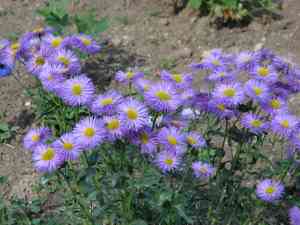
1
Aspen Fleabane flourishes with a minimum of 6 hours of direct sun each day.
2
Aspen Fleabane endures some shade, though flowering might be diminished.
3
Improper light conditions can cause scorching or stunted development in Aspen Fleabane.
Ideal Light Conditions for Aspen Fleabane
Full Sun Requirements
Aspen Fleabane, recognized for its daisy-like blossoms, thrives in full sun. For peak development, ensure your plant receives a minimum of six hours of direct sunlight daily. Ample sun exposure promotes vigorous flowering and maintains healthy foliage. If you reside in an area with intense summer sun, consider observing the plant to prevent excessive heat during midday.
Partial Shade Tolerance
Although Aspen Fleabane prefers full sun, it can endure partial shade, especially in warmer climates. In partial shade, the plant may still grow, but you might observe fewer blooms and more elongated stems. Positioning Aspen Fleabane in an area with morning sun and afternoon shade can help shield it from scorching heat while still providing necessary light for flowering.
Seasonal Light Fluctuations
Different seasons bring varying amounts of light, which impacts Aspen Fleabane. During spring and summer, with longer days, the plant enjoys more consistent sunlight, leading to increased blooms. In autumn, as days shorten, it may not flower as profusely, but it will maintain healthy foliage if given some sun. Winter months can be challenging, so if you're in a region with cold, gloomy winters, ensure the plant gets maximum light or consider relocating it to a brighter spot.
Consequences of Improper Light Exposure
Effects of Excessive Sun
Exposing Aspen Fleabane to too much direct sunlight, particularly in intense heat, can cause sunburn, resulting in scorched, brown leaves and stunted growth. Overexposure can also dehydrate the plant, leading to wilting despite regular watering. If you notice these indicators, consider moving the plant to a location with some afternoon shade or use garden fabric to diffuse strong rays.
Effects of Insufficient Sun
Conversely, inadequate sunlight leads to poor blooming and weak, spindly growth in Aspen Fleabane. Without sufficient light, the plant will stretch towards the light source, causing elongated, sparse stems. Reduced sunlight can also result in poorer health, making the plant more vulnerable to pests and diseases. Ensuring the plant receives at least 6 hours of sunlight helps maintain its vitality and flowering potential.
Guidance for Ensuring Proper Light Exposure
Selecting the Appropriate Planting Site
Choose a location in your garden that receives abundant sunlight throughout the day for your Aspen Fleabane. Ideally, select an area that gets morning sun and some afternoon shade, especially if you live in a very sunny region. This placement ensures the plant receives the necessary sunlight without being subjected to potential midday heat stress.
Utilizing Garden Structures to Modify Light Exposure
Employ garden structures such as pergolas, trellises, or shade cloths to manage the amount of sunlight your Aspen Fleabane receives. These structures can provide partial shade during peak sunlight hours, safeguarding the plant from potential sunburn. Additionally, planting near taller companion plants can offer natural shade and help regulate temperature.
Monitoring and Adjusting Light Exposure
Regularly observe your Aspen Fleabane for indications of too much or too little sunlight. Adjust its position as needed, particularly with changing seasons. In containers, you can easily relocate your plant to different spots depending on seasonal light variations. If your plant is in the ground, consider using temporary shades during peak summer or trimming nearby plants to allow more light during duller seasons.
Frequently Asked Questions about Aspen Fleabane Light Needs
Can Aspen Fleabane Grow Indoors?
While Aspen Fleabane is primarily an outdoor plant, it can grow indoors if positioned in a bright location, such as near a south-facing window. Ensure it receives at least 6 hours of sunlight daily to thrive. Indoor growth can be challenging due to generally lower light conditions, so consider supplementing with grow lights if natural sunlight is insufficient.
What Are the Signs of Sunburn in Aspen Fleabane?
Signs of sunburn in Aspen Fleabane include browning, scorched leaves, and dry, crispy edges. The plant may also exhibit wilting despite adequate watering. If you observe these symptoms, move the plant to a spot with less direct sunlight during peak hours or use shading to protect it.



