How Much Sunlight Do Evergreen spindle Need?
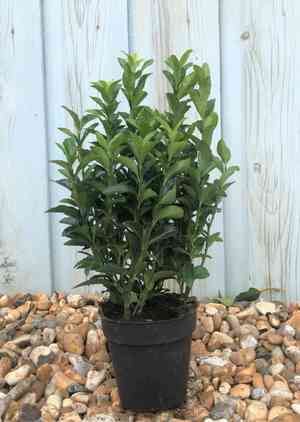
1
Evergreen spindle flourishes best in direct sunlight yet can endure some filtered light.
2
It's crucial to observe your plant for indicators of light-related issues, stemming from either excessive or insufficient exposure.
3
Remedial actions such as relocating the plant or employing sun-screening fabrics can assist in sustaining ideal illumination levels.
Ideal Light Requirements for Evergreen Spindle
Direct Sun vs. Partial Exposure
The Evergreen spindle is a resilient and versatile plant that flourishes under varied light conditions. It ideally prefers full sun, meaning it should experience at least six hours of direct solar exposure daily. This consistent light promotes robust development and maintains vibrant, dense foliage. Nevertheless, the Evergreen spindle is quite flexible and can endure partial shade, particularly in extremely warm regions. In partial shade, the plant will still grow well but may not achieve the same lushness as in full sun. Remember, partial shade indicates that the plant receives filtered or indirect light for a significant portion of the day.
Seasonal Light Fluctuations
Seasonal shifts can considerably affect the amount of light an Evergreen spindle receives. During spring and summer, intense, extended daylight hours encourage vigorous growth. However, in autumn and winter, sunlight becomes scarcer, potentially slowing the plant's development. It's vital to acknowledge these seasonal changes and modify care practices accordingly. For instance, on shorter winter days, consider positioning your Evergreen spindle to capture the maximum available light.
Recognizing Light Stress in Evergreen Spindle
Indicators of Excessive Light
Too much direct sun can lead to a condition known as sunscald. In Evergreen spindle, this appears as scorched leaves that look brown or bleached. You might also notice dry, crispy leaf tips, and in severe instances, entire leaves may fall off. If these symptoms are observed, it's a clear sign your plant is getting too much direct sunlight and may require protective measures.
Indicators of Insufficient Light
Conversely, inadequate light can be equally harmful. Low light levels can cause the Evergreen spindle to become etiolated, stretching towards the light source, resulting in sparse growth. Additionally, the leaves might lose their vibrant green hue, becoming pale yellow. Slow development and reduced overall vitality are other common indicators that your plant isn't receiving enough light.
Remedial Actions
If your Evergreen spindle exhibits signs of light stress, corrective actions are crucial. For instances of excessive sunlight, consider relocating the plant to a spot with filtered light or providing shade during peak sun hours using shade cloths. For insufficient sunlight, move the plant to a brighter location where it can receive at least six hours of direct sunlight daily. Both adjustments will aid in restoring the plant's health and encouraging optimal growth.
Best Practices for Light Management
Optimal Placement for Your Evergreen Spindle
Correct placement is essential to ensure your Evergreen spindle gets the appropriate amount of light. For outdoor plants, select a spot that receives ample morning sun but is protected from the intense afternoon rays. Morning light is generally less harsh and gentler on the plant. For indoor specimens, position them near south or west-facing windows where they can absorb sufficient light throughout the day.
Utilizing Shade Screens and Other Aids
Shade cloths are extremely useful tools for managing the Evergreen spindle's light exposure. These materials can filter sunlight, reducing its intensity during the brightest parts of the day and preventing sunscald. Furthermore, you can use garden umbrellas, pergolas, and other structures that offer intermittent shade to create an ideal environment for your plant.
Considering Indoor vs. Outdoor Light Sources
When cultivating Evergreen spindle indoors, supplemental artificial lighting can enhance natural light, especially during darker times of the year. High-quality grow lights can deliver the necessary light spectrum and intensity, mimicking natural sunlight conditions. It's an effective way to ensure your indoor plant receives adequate light for healthy development.
Common Questions About Evergreen Spindle Light Needs
Can Evergreen Spindle Thrive in Full Shade?
While the Evergreen spindle is adaptable, cultivation in full shade is not advised. Full shade can lead to poor development, elongated stems, and dull foliage. To maintain its health and aesthetic appeal, ensure it receives at least partial sunlight daily.
Is Artificial Illumination a Suitable Replacement?
Yes, artificial illumination can be a good alternative, particularly for indoor Evergreen spindles during winter. Premium LED grow lights that emit full-spectrum light can effectively mimic natural sunlight, fostering healthy growth even without direct outdoor light.
What are the Best Companion Plants for Evergreen Spindle?
The Evergreen spindle pairs well with other plants that share similar light and soil needs. Consider companions such as Boxwood and ornamental grasses, which enjoy full sun to partial shade and can establish a harmonious and visually pleasing garden arrangement.



