How Much Sunlight Do White wood aster Need?
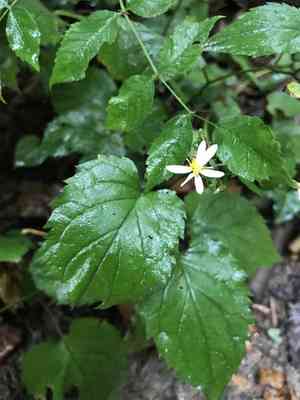
1
White wood aster flourishes optimally in areas receiving partial sunlight, approximately 3-6 hours each day.
2
This plant can endure complete shade, though its flowering might be less abundant.
3
Strategic placement and consistent trimming contribute to the plant receiving adequate illumination.
Optimal Sunlight Conditions for White wood aster
Ideal Sunlight Exposure
White wood aster flourishes best with approximately 3-6 hours of daily sunlight, falling within the partial sun category. These conditions guarantee the plant receives sufficient light for robust development without the danger of scorching or other harm. Partial sun can be achieved by situating the plant where it gets filtered light or morning sun followed by afternoon shade.
Avoiding Excessive Shade
Although White wood aster can endure full shade, this isn't optimal for abundant flowering. Too much shade can lead to leggy and sparse growth, and blooming might be minimal or absent. To prevent this, carefully position your plant where it receives dappled or indirect sunlight, perhaps beneath taller plants or structures that permit some light to pass through.
Signs of Proper Sunlight
When your White wood aster receives adequate sunlight, you will observe vibrant, healthy foliage and frequent blossoms. The plant will typically exhibit a compact and bushy growth habit. Conversely, if the plant isn't getting enough light, it may show signs of etiolation â becoming elongated and pale.
How to Adjust Sunlight for White wood aster
Positioning for Maximum Sunlight
To ensure your White wood aster receives optimal sunlight, place it in a location where it can get morning sun and be shielded from intense afternoon rays. East-facing spots are generally perfect as they provide gentle sunlight, which can prevent potential leaf burn while supplying the plant with necessary light.
Using Reflective Materials
If your garden area has limited sunlight, consider employing reflective materials such as white walls, mirrors, or garden foil to direct more light towards your White wood aster. This can help boost the amount of indirect light the plant receives, especially in shaded environments.
Pruning for Better Light Penetration
Regular pruning is crucial to enhance sunlight penetration and air circulation around your White wood aster. Remove any dead or overcrowded branches, and lightly trim the plant to create openings where light can filter through more effectively. This encourages healthier growth and more prolific flowering.
Common Sunlight Problems for White wood aster
Identifying Sunburn
Sunburn in White wood aster can be recognized by scorched or browned leaf edges and wilting during the warmest parts of the day. These indicators suggest the plant is getting too much direct sunlight and requires more shading. Consider moving the plant to a different spot or providing extra shade during peak sunlight hours.
Dealing with Overexposure
If you discover your White wood aster is overexposed to sunlight, promptly provide some shade, either by relocating it or using shade cloths. Overexposure can cause stress and lead to reduced flowering and potential health issues for the plant.
Correcting Underexposure Issues
When a White wood aster isn't receiving enough sun, it may become leggy and weak. Correcting this involves moving the plant to a brighter area with more morning sunlight or trimming back overhanging plants that might be blocking the light. Ensuring at least 3-6 hours of sunlight daily will help the plant regain its vitality.
Seasonal Sunlight Adjustments for White wood aster
Sunlight Needs in Spring and Summer
During spring and summer, White wood aster benefits from the extended daylight hours. Ensure it receives its standard 3-6 hours of partial sun. Morning sunlight is preferable as it is less intense than the afternoon sun, preventing potential leaf burn while providing the energy needed for growth and blooming.
Adapting to Shorter Days in Fall and Winter
In fall and winter, when daylight hours decrease, adjusting the White wood aster's position to maximize available sunlight is essential. Placing the plant closer to windows or in spots where it can capture the brief sunlight during the day helps maintain its health through the darker months.
Using Artificial Light Sources
If natural sunlight is insufficient, especially during winter, consider employing artificial light sources. Fluorescent or LED grow lights can supplement the lack of natural sunlight. Ensure the lights are positioned close enough (about 30-45 cm or 12-18 inches) to provide adequate light without overheating the plant.
Frequently Asked Questions about White wood aster Sunlight
Can White wood aster Grow in Full Sun?
While White wood aster can endure full sun, it generally thrives best in partial sun. In full sun, particularly during the height of summer, the risk of sunburn increases. Ensure the plant is well-watered and perhaps move it to avoid harsh afternoon sunlight during hot periods.
What if My White wood aster Isn't Getting Enough Sun?
If your White wood aster isn't receiving enough sun, you might observe leggy growth and fewer blooms. A good solution is to move it to a brighter location or trim surrounding foliage that may obstruct light. Regularly inspect the plant and make positional adjustments as needed.
How to Balance Sunlight for Indoor Grown White wood aster?
For indoor cultivation, place your White wood aster near east or west-facing windows where it can receive gentle morning or afternoon sunlight. If natural light is inadequate, using grow lights can help replicate the necessary conditions. Adjust the intensity and duration of the artificial light to prevent overexposure.



