How Much Sunlight Do Leopard plant Need?
1
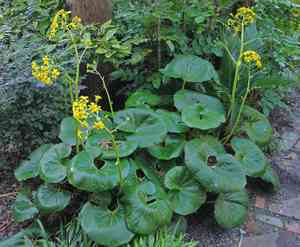
Leopard plant flourishes optimally in dim light environments.
2
Excessive direct solar exposure may burn the foliage of your Leopard plant.
3
A north or east-facing window is the perfect indoor spot.
Ideal Light Conditions for Leopard Plant
Diffused Illumination
For the Leopard plant, diffused light is optimal. This involves situating the plant where it receives ample natural illumination without direct solar exposure. Consider areas such as a room with transparent drapes filtering the sun, or a spot receiving bright, scattered light. This setup replicates the plant's native forest floor environment, where it flourishes under light dappled through the overhead canopy.
Low Light Adaptability
The Leopard plant demonstrates significant tolerance for shade, making it a superb choice for those dimly lit indoor or outdoor spaces where other flora might struggle. This plant can endure full shade, implying it can develop well even with less than three hours of daily sunlight. Nevertheless, while it can survive in such conditions, providing a modest amount of indirect light will aid its overall vigor.
Impacts of Direct Sun
Direct sunlight is detrimental to the Leopard plant. Exposing the plant to more than a few hours of direct sun can result in severe damage. You will observe the foliage beginning to burn or develop sun spots, typically appearing as brown or white lesions. These are permanent and can detract from the plant's otherwise appealing leaves. To prevent this, ensure your Leopard plant is positioned in a protected spot if outdoors or behind a filter if indoors.
Indoor vs. Outdoor Light Requirements for Leopard Plant
Interior Lighting
Indoors, you have greater control over light conditions. The optimal placement for a Leopard plant is near a north or east-facing window, where it can receive gentle morning light or the soft, indirect illumination typical of these exposures. If your windows face south or west, ensure the plant is out of the path of direct rays, perhaps behind a sheer curtain or set back from the windowsill.
Exterior Placement
When cultivated outdoors, selecting the appropriate location is vital. The Leopard plant prefers shaded areas, away from the intense afternoon sun. Ideally, plant it in a spot that receives dappled sunlight or morning sun, followed by substantial shade in the afternoon. Beneath the canopy of larger plants or trees often creates the perfect setting, mimicking its natural habitat.
Indicators of Light Imbalance in Leopard Plant
Signs of Excessive Light
If your Leopard plant is receiving too much light, you will observe several distinct indicators: leaves may appear pale, scorched, or exhibit brown edges and spots. Overexposure to direct sunlight can lead to rapid decline, with the plant looking withered and unhealthy. Prompt action, such as relocating it or providing additional shade, can help alleviate these effects.
Signs of Insufficient Light
Conversely, inadequate light can cause the Leopard plant to become leggy and elongated as it stretches in search of more illumination. The leaves might become smaller and less vibrant, and the plant's growth can slow considerably. If these symptoms are noticed, try moving the plant to a slightly brighter area with indirect light to enhance its vitality and appearance.
Adapting Light Exposure for Seasonal Changes
Winter Care
During colder months, the sun is lower in the sky, and natural light intensity decreases. You might need to move your Leopard plant closer to windows or confirm it still receives sufficient indirect light. However, avoid placing it directly against cold windowpanes as chilly drafts can harm your plant.
Summer Care
In warmer months, the intensity and duration of sunlight increase. It is crucial to ensure your Leopard plant is not exposed to the harsh, direct midday sun. Utilizing blinds, interior curtains, or slightly repositioning the plant away from hot windows can prevent leaf burn.



